Three States Take Abortion Pill Fight to Court With a “Public Nuisance” Argument Aimed at Shield Laws
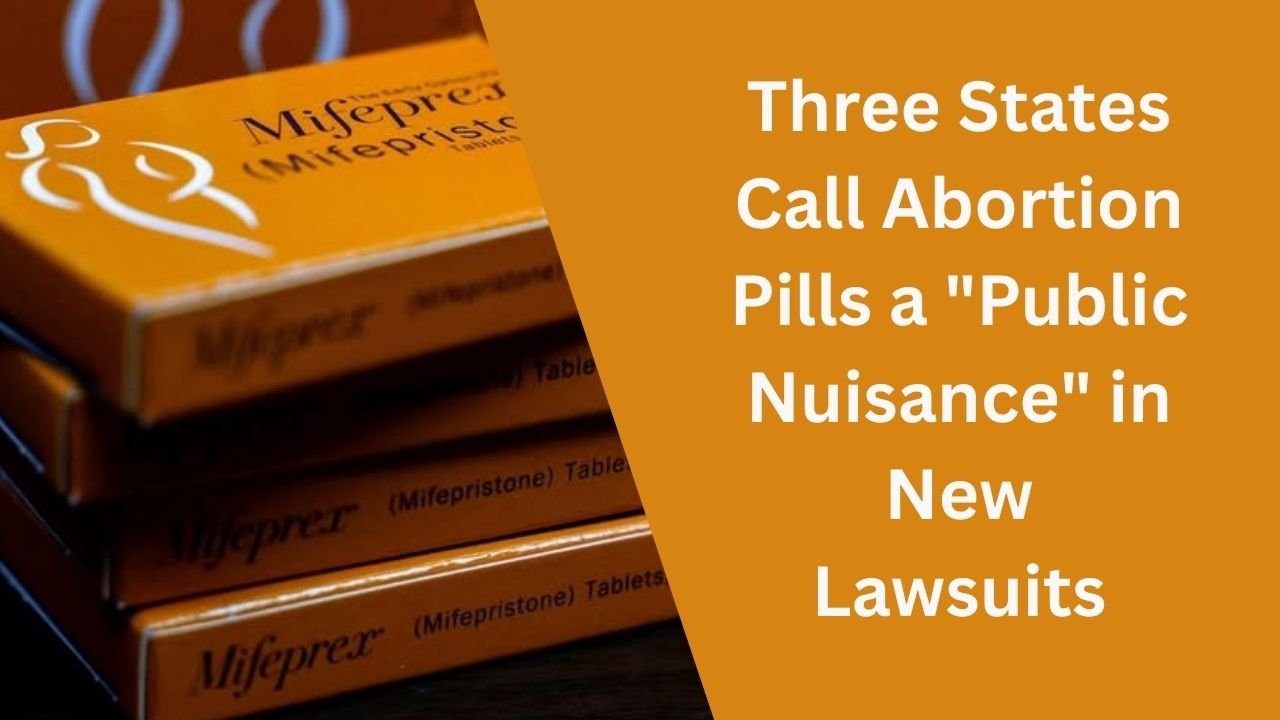
Louisiana, Alabama and Arkansas have opened a new front in the legal battle over abortion pills. In two lawsuits filed last week, they argue that mailing abortion medication into states with bans is a “public nuisance,” and that New York, California and Massachusetts are helping by shielding the providers who do it.
Two Lawsuits, Two Targets
The first case was filed directly with the US Supreme Court and names the three states with shield laws. The court can hear disputes between states without a lower-court ruling, but it often declines such cases. It is also the first direct challenge by abortion-ban states to another state’s shield law.
The second case was filed in Louisiana federal court. It names nearly 30 medical practitioners and organizations as defendants, among them the nonprofits A Safe Choice Network and Cambridge Reproductive Health Consultants. Neither responded to requests for comment. Both suits include additional legal claims beyond public nuisance.
What the States Argue
The three states say out-of-state providers and the shield laws that protect them are working to defeat abortion bans adopted to protect public safety. In their Supreme Court filing, they compare the situation to a state encouraging residents to mail anthrax, fentanyl or bombs across state lines, and say no one would doubt another state’s right to sue over that.
Why the Theory Is Unusual
Public nuisance law traditionally covers conduct that unreasonably harms public health or safety, such as pollution or a blocked road. In recent decades states have stretched it to cover tobacco, opioids, vaping, climate change and social media harms to children.
For plaintiffs, the approach has practical advantages. Courts can order broad remedies to stop the alleged nuisance, and the plaintiff generally does not need to prove injury to specific individuals.
Legal experts say this case differs because the drugs involved have repeatedly received federal approval, and because the argument centres on enforcing abortion bans rather than a conventional safety hazard. Linda Goldstein of the Center for Reproductive Rights, an abortion rights group, said the claims are “not protecting their residents from harm” in the way nuisance cases normally do.
Reaction From the Targeted States
New York Attorney General Letitia James and Massachusetts Attorney General Andrea Joy Campbell, both Democrats, said in separate statements that the suits try to impose abortion bans on other states and punish doctors for providing legal care. California Attorney General Rob Bonta’s office did not immediately respond. The offices of the attorneys general in the three plaintiff states also did not respond to requests for comment.
The Numbers Behind the Fight
According to the Guttmacher Institute, which supports abortion rights, about 91,000 abortions were provided through telehealth in 2025 to patients in states with total bans, up from 74,000 in 2024. Medication abortion made up 65% of US abortions in 2023, the group says. The regimen uses mifepristone followed by misoprostol within the first 10 weeks of pregnancy.
Nearly half of US states have banned or sharply limited abortion since the Supreme Court overturned Roe v. Wade in 2022. Patients in those states either travel or obtain pills by mail through telehealth.
Other Legal Fronts
The new filings sit alongside several existing efforts:
- Republican-led states have sued or indicted doctors who prescribe pills across state lines.
- Separate lawsuits challenge the FDA’s original 2000 approval of mifepristone and later rules that widened access. Those cases are pending.
- In May, the Supreme Court declined Louisiana’s request to block telehealth prescribing and mail delivery of mifepristone nationwide while its case continues.
- The FDA is reviewing mifepristone’s safety, and some anti-abortion groups say it is moving too slowly. In a recent filing the agency said it expects to finish by March 2027.
Most major medical groups, and the FDA at various points since 2000, have said mifepristone is safe and effective when used as directed, with serious adverse events rare.
What Happens Next
The Supreme Court must first decide whether to take up the state-versus-state case at all. The Louisiana federal case will proceed through the normal process. Either could take months, and the outcome could shape how far states can reach across borders in abortion disputes.
This report is based on court filings and public statements. Both sides hold strong views on the issue, and the legal questions are unresolved.
Frequently Asked Questions
What are the states claiming?
That mailing abortion pills into states with bans, and the shield laws that protect providers, create a public nuisance.
Which states filed the suits?
Louisiana, Alabama and Arkansas.
Which states are being challenged?
New York, California and Massachusetts, which have shield laws.
What is a shield law?
A state law protecting abortion providers from out-of-state prosecution and civil liability.
Why is the argument considered novel?
Public nuisance law normally targets issues like pollution, and the pills involved are federally approved.
Has the FDA finished reviewing mifepristone?
No. It expects to complete its review by March 2027.
Read Also:
- From Magazine Pages to Digital Audiences: How The Success Prime Magazine Extends Every Print Campaign Online
- The Business of Being Unaffordable: How Rising Costs Are Creating New Markets in America
- Top 10 Richest Politicians in America (2026 Net Worth Ranking)
- Start a Franchise for Under $15K: Top Affordable Options
- Why America’s Subscription Boom Is Real, But the Bill Comes Due Somewhere