I didn’t grow up drinking espresso. I grew up drinking whatever my dad brewed in a dented moka pot that lived on the stove for probably longer than I’ve been alive. It wasn’t until my late twenties, standing in a crowded café somewhere between a work trip and a bad night’s sleep, that I actually understood what espresso was supposed to taste like — not bitter, not burnt, just this intense little shot of concentrated coffee with a layer of golden foam on top (that foam, by the way, is called crema, and it’s the first sign you’re doing it right).
That one cup sent me down a very expensive rabbit hole. I’ve since bought two espresso machines, returned one, burned through more bags of beans than I want to admit, and learned most of this the hard way so you hopefully don’t have to.
So, What Is Espresso, Actually?
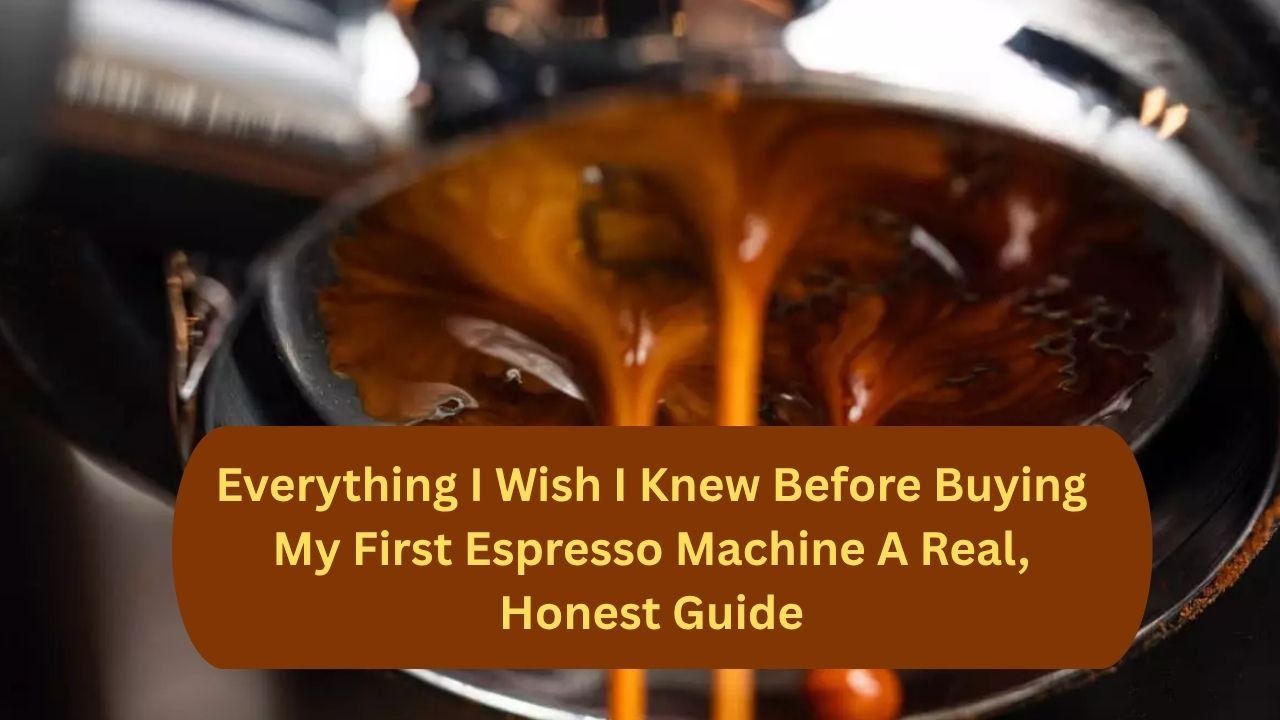
If you’re genuinely asking “what is espresso” — and a lot of people are, based on how often that question gets searched — here’s the honest answer: espresso isn’t a type of bean or a roast level. It’s a brewing method. You force hot water through finely-ground coffee at high pressure (typically around 9 bars), and what comes out is a small, concentrated shot with a thicker body and that signature crema on top.
Espresso vs coffee isn’t really a fair comparison, because espresso is coffee — it’s just made differently than drip coffee. The grind is finer, the brew time is shorter (25-30 seconds), and the result is more concentrated. A shot of espresso actually has less caffeine than a full cup of drip coffee, which surprises most people the first time they hear it.
Choosing an Espresso Machine: What I Learned From Getting It Wrong Once
When I bought my first espresso machine, I went cheap. I figured espresso was espresso, and the $90 machine would do the job. It didn’t. The pressure was inconsistent, the steam wand was basically decorative, and every shot came out either watery or burnt. No in-between.
Here’s what actually matters if you’re shopping for a home espresso machine:
- Consistent pressure — look for a real 9-bar pump, not a vague “high pressure” claim
- A steam wand you can actually control, if you care about milk drinks
- Build quality — stainless steel boilers last longer than the plastic internals cheaper machines rely on
After my first machine died (RIP), I upgraded to a Breville espresso machine, and the difference was night and day — better temperature stability, a proper steam wand, and shots that actually tasted like the ones I’d been paying $5 for at cafés. If you want to go a step further, a Delonghi espresso machine is another solid mid-range option a lot of people swear by, and if you’re willing to learn the manual technique, a good manual espresso machine gives you the most control over the shot, though it has a real learning curve.
If budget is tight, don’t feel like you need to spend a fortune. Some of the best home espresso machines right now sit comfortably in the $200-$400 range — you don’t need a $2,000 commercial-grade setup to make genuinely great coffee at home. That said, if you’re running a small café or thinking long-term, a commercial espresso machine is a different beast entirely, built for volume and constant use rather than one cup before work.
If you’re buying for someone else, or just want zero learning curve, a pod-based option like Nespresso or the Nespresso Vertuo line is worth considering — it’s not “real” espresso in the traditional sense, but it’s consistent, fast, and genuinely decent for what it is. A Ninja espresso machine has also become a popular budget-to-midrange pick lately for people who want something semi-automatic without the full manual learning curve.
The Beans Matter More Than People Think
I used to think the machine was 90% of the equation. It’s not. The best coffee beans for espresso make a bigger difference than almost any upgrade you can make to the machine itself. A cheap, stale bag of espresso beans will make even a great machine produce a sour, flat shot.
A few things I learned through trial and error:
- Buy beans roasted within the last 2-4 weeks, not the ones that have been sitting on a shelf for months
- A darker roast isn’t automatically “more espresso-like” — medium roasts often bring out more nuance
- If you don’t have a grinder, instant espresso or espresso powder are genuinely fine for baking or quick drinks, but they’re not a substitute for the real thing if you’re trying to pull a proper shot
Maintenance: The Part Nobody Tells You About
Here’s the thing nobody mentions when you buy an espresso coffee machine: it needs regular cleaning, or it will slowly ruin itself. Mineral buildup from water is the silent killer of every home machine, and I learned that the hard way when my first machine started taking twice as long to heat up.
How to descale an espresso machine is honestly simpler than it sounds — most machines have a built-in descaling cycle, and you just run a descaling solution (or a vinegar-water mix for older/manual machines) through the system every 1-3 months depending on your water hardness. Skipping this is the #1 reason home espresso machines die early.
Finding Good Espresso Without a Machine
Not everyone wants to own one, and that’s completely fair. If you’re searching “espresso near me” on a regular basis, a decent local espresso bar is honestly a great way to figure out what style you actually like — whether that’s a classic shot, a shaken espresso, a brown sugar shaken espresso, or a blonde espresso (made from a lighter roast, less bitter, slightly sweeter) — before committing to buying your own setup. Even big chains like Starbucks popularized a lot of these drinks and made espresso-based coffee far more mainstream than it used to be.
For the Cocktail Crowd: The Espresso Martini
If you came here more for the drink than the coffee, I won’t judge you — the espresso martini has had a real comeback. Here’s the simple version of how to make an espresso martini:
- Brew a fresh shot of espresso and let it cool slightly
- Shake it with vodka, coffee liqueur, and a touch of simple syrup over ice
- Strain into a chilled martini glass
- Garnish with three coffee beans (tradition says it’s for health, wealth, and happiness)
Honestly, learning how to make an espresso martini at home was almost as satisfying as learning to pull a good shot — and it’s a lot cheaper than ordering them out.
Quick Note: Searching for a Different Kind of “Espresso”?
If you landed here looking for espresso stain, espresso wood stain, or Minwax espresso — that’s actually a furniture and wood-finishing color, not coffee related at all. “Espresso” as a stain color refers to a deep, almost-black brown finish, similar in tone to dark walnut stain, popular for cabinets, flooring, and furniture. If that’s what you’re after, you’ll want a wood-finishing guide rather than a coffee one — but hey, at least now you know why the name overlaps.
The Bottom Line
If I could go back and tell myself one thing before buying my first espresso machine, it’d be this: don’t cheap out on the machine or the beans, but don’t overspend either. A solid mid-range espresso maker, fresh beans, and a little patience with your technique will get you 90% of the way to café-quality espresso at home — and the other 10% is just practice.
Read Also:
- From Magazine Pages to Digital Audiences: How The Success Prime Magazine Extends Every Print Campaign Online
- The Business of Being Unaffordable: How Rising Costs Are Creating New Markets in America
- Top 10 Richest Politicians in America (2026 Net Worth Ranking)
- Start a Franchise for Under $15K: Top Affordable Options
- Why America’s Subscription Boom Is Real, But the Bill Comes Due Somewhere