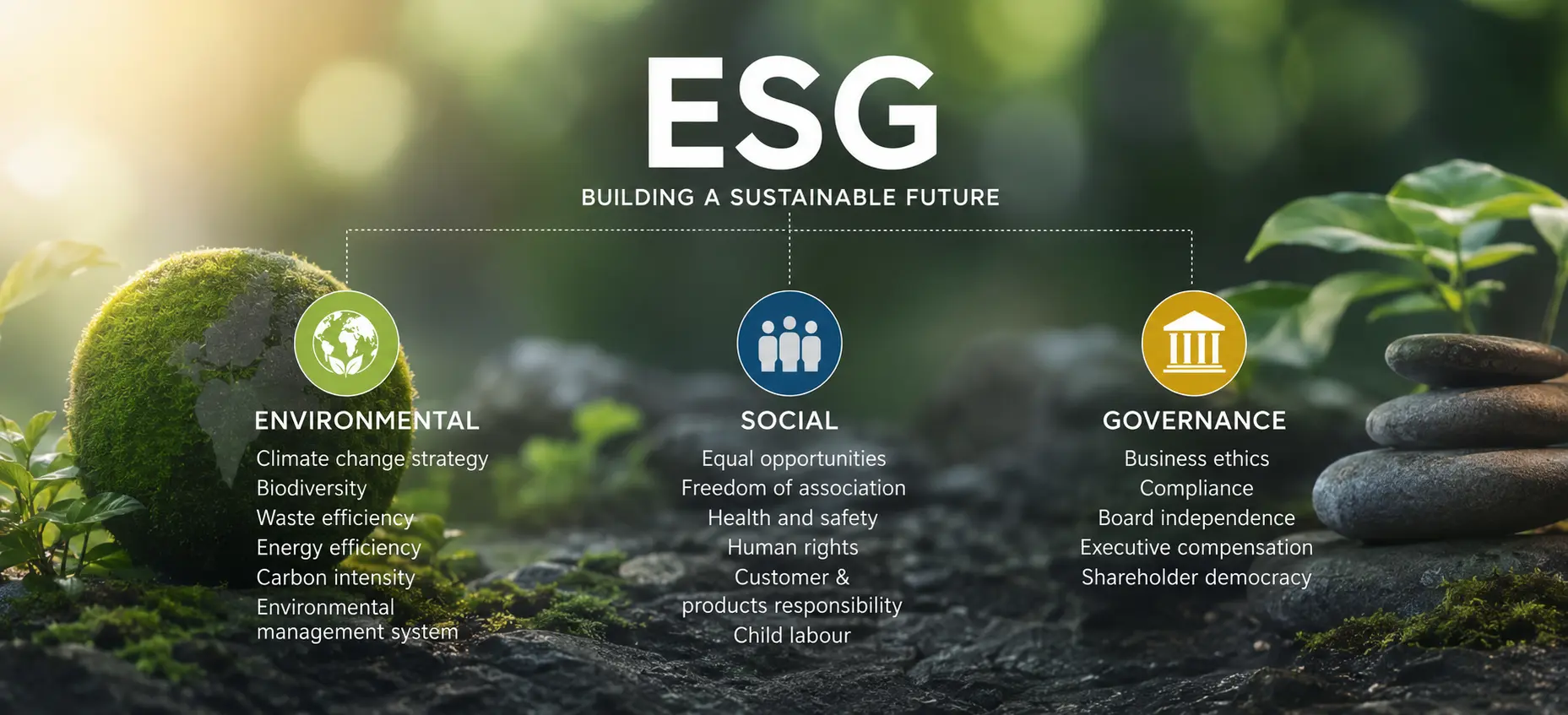
The Success Prime – Across industries, ESG is no longer a pledge on a slide; it shows up in how companies run the business. Boards set targets they can audit. Management ties ESG to risk, budgets, and where capital goes. Finance builds controls and seeks assurance with the same rigor as statutory accounts. The result: tighter guardrails on emissions, workforce outcomes, and governance—and a view of sustainability as resilience, cost discipline, and growth, not a marketing gloss.
Measurement has advanced in parallel. Firms are consolidating energy, water, waste, safety, and people data into unified systems with auditable controls. Primary supplier data is replacing broad estimates, while internal audit tests ESG controls much as it tests revenue recognition. The purpose is practical: consistent, repeatable reporting that withstands scrutiny from lenders, insurers, regulators, and long‑only investors. Where material, companies obtain limited or reasonable assurance to validate metrics and methodologies.
Incentives are being redesigned to drive execution. Compensation committees are reserving a defined share of variable pay for ESG outcomes tied to strategy—emissions intensity, renewable consumption, lost‑time incident rates, inclusion in leadership roles, supplier audit coverage, or governance thresholds. Metrics that sit within management’s span of control are calibrated with clear baselines and time‑bound targets; where outcomes depend on external partners, firms blend absolute goals with maturity milestones such as verified data coverage or adoption rates of new materials and processes.
Supply chains, long the blind spot, now sit at the center of delivery. Procurement is baking sustainability into terms—minimum recycled content, no‑deforestation clauses, wastewater benchmarks, living‑wage requirements, and traceability for critical inputs. To help suppliers comply, companies extend contract tenors, guarantee volumes, or co‑invest so partners can fund renewable power, electrify process heat, and modernize water systems. Pilot‑and‑scale rhythms are common: run controlled trials with a small supplier cohort, codify lessons, then expand to the top quartile by spend and risk.
Financing tools have diversified to match ambition with accountability. Transition instruments help hard‑to‑abate sectors that can document credible glide paths. The most trusted issuers support claims with clear taxonomies, third‑party frameworks, and post‑issuance reporting that investors can reconcile to projects and outcomes.
Operations are where benefits compound. Manufacturers are electrifying heat where feasible, recovering low‑grade heat, and using advanced controls to optimize energy minute by minute. Logistics teams are redesigning routes, shifting duty cycles to electric where practical, and aligning vehicle size to load. Office and data‑center leaders are tackling refrigerants, airflow, and server utilization to cut both emissions and cost. Waste reduction is moving upstream to packaging design, reuse systems, and take‑back programs rather than end‑of‑pipe fixes.
No program is free of constraints. Scope 3 baselining remains complex; data quality varies across regions; and some technologies are not yet cost‑competitive at scale. Credible companies address this by publishing gaps, piloting alternatives, and adjusting course in public. Markets cope well with imperfection when the plan, evidence, and cadence are clear; they struggle with opacity.