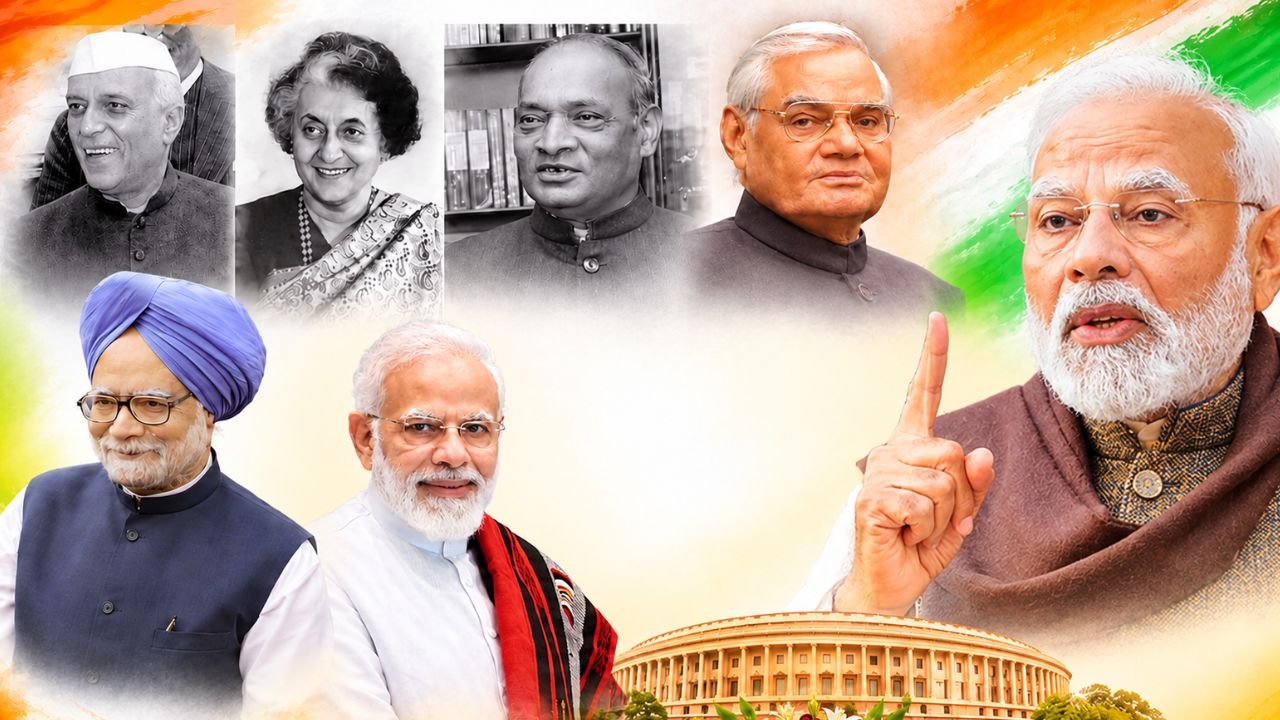
Ask ten Indians who the most successful Prime Minister was, and you may get six different names and four long arguments. That’s not a flaw in the question. It’s what happens when “success” can mean winning elections, building institutions, growing the economy, protecting democracy or keeping the country secure, and no single leader tops every list.
This article doesn’t crown a winner, and I’ll explain why below. Instead, it walks through the main contenders, what supporters credit them with, what critics say, and how to judge for yourself.
First, what does “most successful Prime Minister” mean?
Before comparing leaders, decide what you’re measuring. Here are the yardsticks people most often use:
- Economic outcomes: growth, reforms, jobs, inflation, poverty.
- Institution-building: parliaments, courts, universities, scientific bodies.
- Democratic health: free press, civil liberties, minority protection.
- Security and foreign policy: wars, diplomacy, strategic standing.
- Welfare and rights: programmes that reach ordinary people.
- Stability and longevity: delivering a full term, holding coalitions together, winning elections.
A leader can score very high on one and poorly on another, which is exactly why rankings differ so much.
Top most successful prime minister of india
The main contenders
Jawaharlal Nehru (1947–1964)
- Born: 14 November 1889
- Birthplace: Prayagraj, Uttar Pradesh, India
- Died: 27 May 1964
- Age at Death: 74 years
- Deathplace: New Delhi, India
- Father: Motilal Nehru
- Mother: Swaruprani Thussu
- Spouse: Kamala Nehru (Married in 1916)
- Children: Indira Gandhi
Education:
- Harrow School
- Trinity College, Cambridge (1907–1910)
- The City Law School
- Political Party: Indian National Congress
- Position: First Prime Minister of India (1947–1964)
- Previous Office: Minister of Defence of India (1962)
- Nationality: Indian
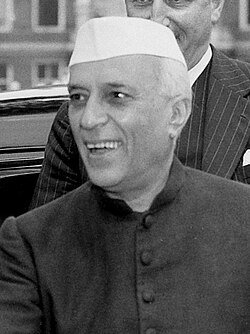
A Well-know figure in India in the middle of the 20th century, Jawaharlal Nehru was a lawyer, anti-colonial loyalist, secular intellectual, social democrat, and statesman. in the 1930s & 1940s, Nehru was a key figure in the Indian nationalist movement.
What supporters credit him with. Nehru presided over the founding years of a new republic. He conducted India’s first three general elections in 1952, 1957 and 1962 and respected the independence of the judiciary, setting precedents for the separation of powers. His institution-building list is long: the IITs (the first at Kharagpur in 1951), IIMs, CSIR laboratories, the Atomic Energy Commission, AIIMS and the UGC. In foreign policy, he shaped India’s identity as an independent, non-aligned power. One supporter-leaning commentator put it this way: the roots of many of India’s successes trace back to his regime.
What critics say. His economic model drew criticism for “licence raj” bureaucratic control and a heavy-industry focus at the expense of agriculture. His foreign-policy idealism is blamed by many for the Kashmir problem and the 1962 China war, which was a major military defeat that overshadowed his final years. Even sympathetic assessments note that the liberalisation that began in 1991 inevitably shapes how his economic legacy is judged.
Indira Gandhi (1966–1977, 1980–1984)
- Born: 19 November 1917
- Birthplace: Prayagraj, Uttar Pradesh, India
- Died: 31 October 1984
- Age at Death: 66 years
- Deathplace: New Delhi, India
- Father: Jawaharlal Nehru
- Mother: Kamala Nehru
- Spouse: Feroze Gandhi (Married in 1942)
Children:
Rajiv Gandhi
Sanjay Gandhi
Education:
Patha Bhavana, Santiniketan
Somerville College, University of Oxford
Political Party: Indian National Congress
Position: Third Prime Minister of India (1966–1977, 1980–1984)
Previous Office: Minister of External Affairs of India (1984)
Nationality: Indian
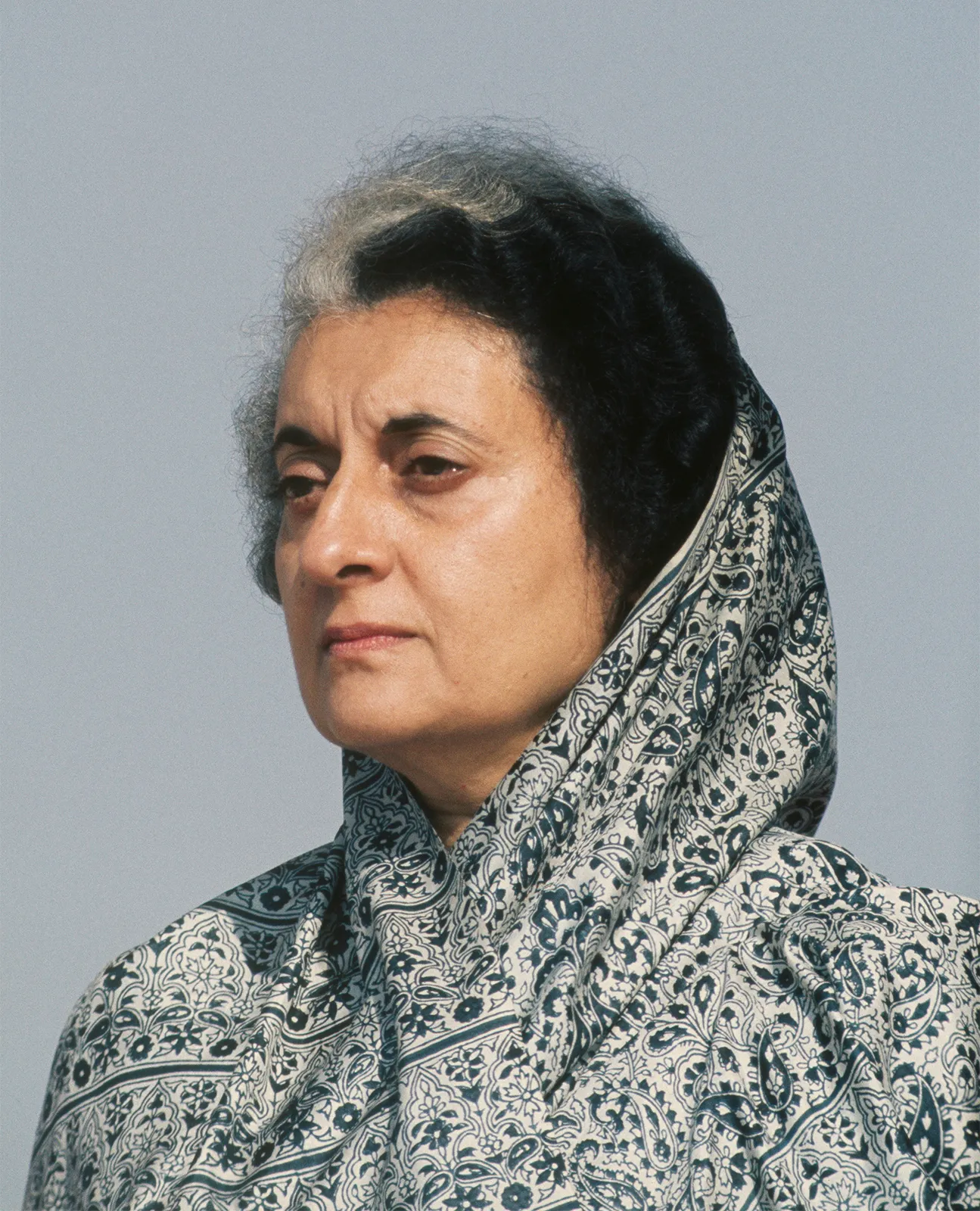
Indian stateswoman Indira Priyadarshini Gandhi led India as prime minister twice, from 1966 to 1977 and again from 1980 till her murder in 1984. As the leader of the Indian National Congress, she was a pivotal figure in Indian politics and the country’s first and only female prime minister.
What supporters credit her with. She was the first woman Prime Minister of India. Her record includes the nationalisation of 14 major banks in 1969 and the promotion of the Green Revolution, which helped India move from frequent food shortages to grain surpluses. She led India in the 1971 war with Pakistan that resulted in the creation of Bangladesh, and abolished the privy purses of princely rulers.
What critics say. The defining criticism is the Emergency: a 21-month period from 25 June 1975 to 21 March 1977 when basic freedoms were suspended. Critics also point to controversial mass sterilisation drives and slum demolitions, and to her centralisation of power and the rise of dynastic politics. Writer Ramachandra Guha has noted that she chose further rounds of nationalisation when the time had come to undo the licence raj and encourage exports. Her defenders argue that her critics try to erase her remarkable achievements from history.
P.V. Narasimha Rao (1991–1996)
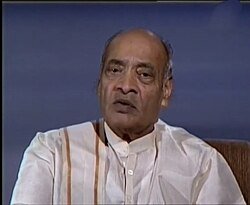
P. V. Narasimha Rao – Personal Information
- Born: 28 June 1921
- Birthplace: Laknepally, Telangana, India
- Died: 23 December 2004
- Age at Death: 83 years
- Deathplace: New Delhi, India
- Political Party: Indian National Congress
Education:
- Fergusson College, Pune
- Osmania University
- University of Mumbai
- Rashtrasant Tukadoji Maharaj Nagpur University
Children:
Surabhi Vani Devi
P. V. Prabhakar Rao
Previous Office: Member of the Lok Sabha (1996–1997)
Position: Ninth Prime Minister of India (1991–1996)
Nationality: Indian
From 1991 to 1996, Pamulaparthi Venkata Narasimha Rao, an Indian National Congress politician, lawyer, and champion for Indian independence, led India as prime minister. He was the second prime minister who did not speak Hindi and the first from South India.
What supporters credit him with. Rao took office during a balance-of-payments crisis and, on 24 July 1991, abolished industrial licensing for most sectors, ending the “licence-permit raj” of nearly four decades. Supporters argue that Manmohan Singh himself acknowledged that Rao fathered the reform process, and one biographer wrote that had Rao not become Prime Minister, India would have been a different country. His admirers also credit him with a significant foreign-policy shift.
What critics say. Some argue the reforms were forced by crisis rather than chosen: “in 1991, India had no choice but to reform,” and that Rao stopped the process short after electoral setbacks. His tenure also included the demolition of the Babri mosque, for which he is squarely blamed by many. Further controversies include the Hawala, St Kitts and Lakhubhai Pathak cases.
Atal Bihari Vajpayee (1996, 1998–2004)
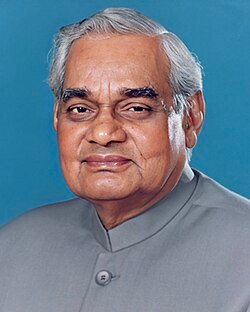
Atal Bihari Vajpayee – Personal Information
- Born: 25 December 1924
- Birthplace: Gwalior, Madhya Pradesh, India
- Died: 16 August 2018
- Age at Death: 93 years
- Deathplace: All India Institute of Medical Sciences (AIIMS), New Delhi, India
- Political Party: Bharatiya Janata Party (BJP)
Education:
- D.A.V. College, Kanpur
- Maharani Laxmi Bai Government College of Excellence, Gwalior
Children: Namita Bhattacharya
- Position: 10th Prime Minister of India (1996, 1998–2004)
- Nationality: Indian
Poet and statesman Atal Bihari Vajpayee led India as prime minister for two weeks in 1996 and from 1998 until 2004. He was the first prime minister from outside the Congress to hold the position for an entire term. Vajpayee was a key leader of the Bharatiya Janata Party and one of its co-founders.
What supporters credit him with. Vajpayee was the first non-Congress Prime Minister to complete five years in office. He authorised the Pokhran-II nuclear tests in May 1998, and his government launched the National Highway Development Project, beginning with the Golden Quadrilateral, alongside rural road connectivity and telecom reforms. He also headed a diverse coalition and kept it together. He is often praised as one who earned the respect of his political opponents.
What critics say. The 2004 election result suggests the shine hadn’t reached many voters: the rural and southern electorate did not feel it. Evaluations of his economic legacy will, as one columnist put it, be made by people of differing political-ideological persuasions.
Manmohan Singh (2004–2014)
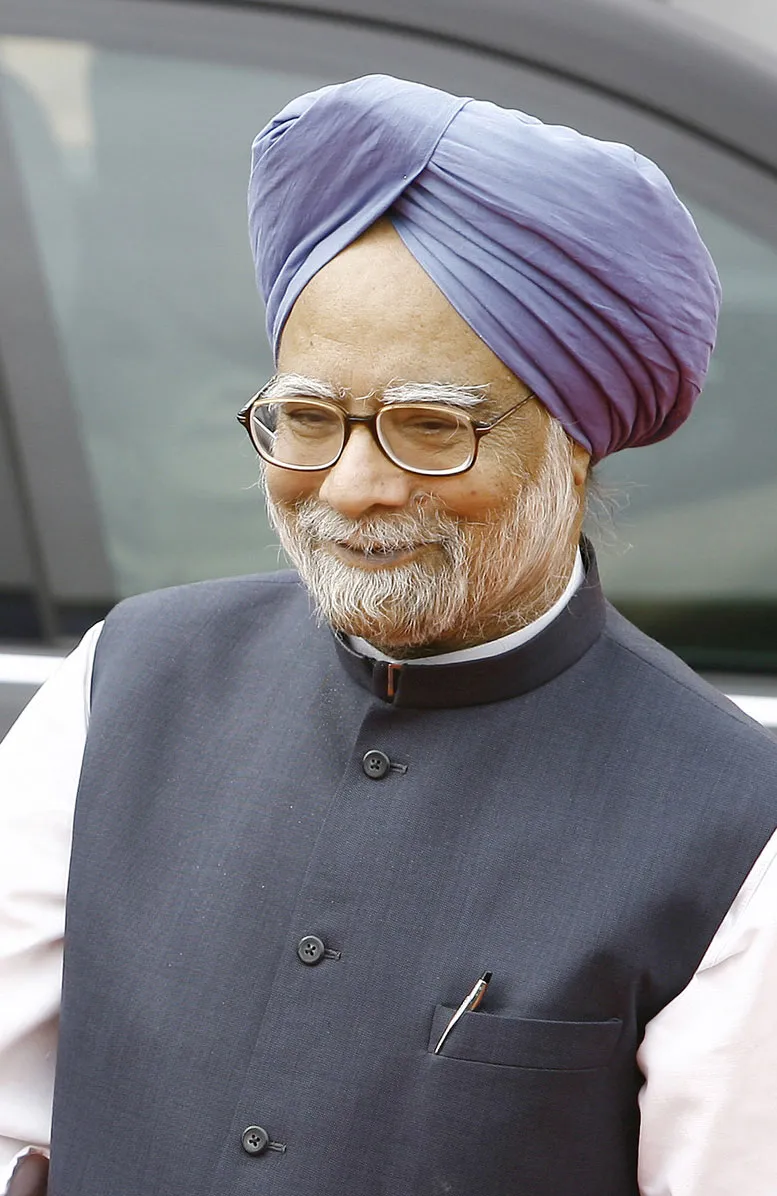
Dr. Manmohan Singh – Personal Information
- Born: 26 September 1932
- Birthplace: Gah, Punjab (now in Pakistan)
- Died: 26 December 2024
- Age at Death: 92 years
- Deathplace: All India Institute of Medical Sciences (AIIMS), New Delhi, India
- Political Party: Indian National Congress
- Spouse: Gursharan Kaur (Married in 1958)
Education:
- Panjab University
- University of Cambridge
- University of Oxford (Nuffield College)
Position: 13th Prime Minister of India (2004–2014)
Previous Office: Member of Rajya Sabha (2019–2024)
Nationality: Indian
From 2004 to 2014, Manmohan Singh, an Indian economist, statesman, bureaucrat, and scholar, led India as prime minister. After Jawaharlal Nehru, Indira Gandhi, and Narendra Modi, he had the fourth-longest tenure as prime minister.
What supporters credit him with. Before becoming Prime Minister, Singh was Finance Minister in 1991, when he introduced sweeping reforms amid a severe balance-of-payments crisis. As Prime Minister, his governments introduced MGNREGA, RTI and RTE, and pursued the Indo-US Civil Nuclear Agreement. He was the only non-Gandhi Congress Prime Minister to complete two terms. He died in December 2024.
What critics say. His second term was shadowed by the 2G spectrum, Commonwealth Games and coal scandals, though he was personally never implicated. Critics also point to a perceived lack of assertive leadership and to the arrangement in which power was shared between an appointed Prime Minister and the Congress president. Even supporters concede that MGNREGA “has not been an unqualified success.”
Narendra Modi (2014–present)
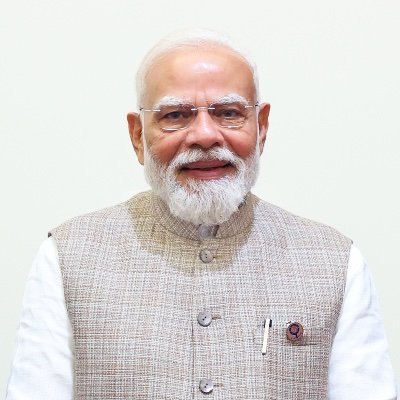
Narendra Modi – Personal Information
Full Name: Narendra Damodardas Modi
Born: 17 September 1950
Birthplace: Vadnagar, Gujarat, India
Age: 76 years (as of 2026)
Spouse: Jashodaben Modi (Married in 1968)
Political Party: Bharatiya Janata Party (BJP)
Education:
School of Open Learning, University of Delhi (1978)
Gujarat University (1983)
Position: 14th Prime Minister of India (2014–Present)
Nationality: Indian
Since May 26, 2014, Indian politician Narendra Damodardas Modi has been the country’s prime minister. Modi is a member of parliament for Varanasi and served as Gujarat’s chief minister from 2001 to 2014.
What supporters credit him with. On 10 June 2026, Modi surpassed Nehru’s record of 4,398 days to become India’s longest-serving elected Prime Minister, in a continuous run. Supporters point to major reforms such as GST, the doubling of India’s economy to $4.3 trillion, and initiatives like Digital India, Jan Dhan and Ayushman Bharat. One supportive column notes that UPI processed 24,162 crore transactions in FY2026, and commercial semiconductor production began at Micron’s Sanand facility in February 2026. He is also the first leader since 1962 to win a third consecutive term.
What critics say. Congress MP Shashi Tharoor writes that economic progress has come at the cost of weaker democratic institutions and rising intimidation of minorities. Even a supportive Organiser assessment concedes challenges in manufacturing growth and quality job creation. Defenders reply that many criticisms stem from political opposition rather than objective institutional decline.
Other Prime Ministers, such as Lal Bahadur Shastri and Rajiv Gandhi, also appear in these debates, but their tenures were shorter or less often cited in “most successful” comparisons.
What do the polls say?
Opinion polls get quoted a lot, but they measure popularity, not a historian’s idea of success.
- A C-Voter survey asked respondents to pick the best Prime Minister of independent India: about 47% chose Modi, 16% Vajpayee, 12% Indira Gandhi, 9% Nehru and 8% Manmohan Singh.
- In India Today’s Mood of the Nation poll in 2018, Modi was voted the best ever with 26%, six points ahead of Indira Gandhi, with Vajpayee third.
- The same poll series consistently listed Modi as the most popular Prime Minister between 2016 and 2021, although a related India Today question on who is the best choice for PM fell from 66% to 24% in a single year.
Treat these numbers carefully. Polls reflect who is alive in voters’ minds, which leaders are recent, and the political mood on the day of the survey. A recent Prime Minister has an obvious advantage over one most respondents never saw in office. Historians and economists tend to weigh long-term institutional impact more heavily, and one interviewee in a published discussion argued that, on impact and long-lasting value, he wouldn’t go to anyone other than Nehru. Others would argue otherwise.
Comparing leaders by what each is most often praised for
This is a summary of how each leader is typically discussed, not a ranking.
| Leader | Most often praised for | Most often criticised for |
|---|---|---|
| Nehru | Democratic and scientific institutions | Licence raj, 1962 war |
| Indira Gandhi | 1971 war, Green Revolution, bank nationalisation | The Emergency, centralisation |
| Narasimha Rao | 1991 economic opening | Babri mosque demolition, controversies |
| Vajpayee | Coalition-building, infrastructure, Pokhran-II | Mixed economic evaluation |
| Manmohan Singh | Rights-based laws, growth, 1991 role | Corruption scandals, perceived passivity |
| Modi | Long tenure, reforms, digital economy | Concerns over institutions and jobs |
Why there isn’t one right answer
Notice how each leader’s strongest argument sits in a different column of the criteria list. If you value democratic institution-building above all, you’ll look first at the early years. If you weigh economic liberalisation, the 1991 and 1998–2004 periods come to mind. If you prioritise stability and electoral mandate, recent tenures stand out. If you care most about civil liberties, the Emergency and later debates about institutions will shape your view.
That’s why this article avoids a verdict. It isn’t being evasive: a verdict would just be one reader’s weights dressed up as a fact.
A simple way to form your own view
- Pick your top two or three criteria from the list near the start.
- Look at the evidence for each leader on those criteria, including at least one source that criticises them and one that defends them.
- Separate the leader from the era. Rao inherited a crisis, Modi took office after a decade of coalition government, and Nehru started with a newly independent country. Context matters.
- Check who is writing. Several sources above are explicitly partisan, for example Organiser on Modi, Congress-run pages on Indira Gandhi, or Tharoor, a Congress MP, on Modi. Read them as arguments, not neutral records.
- Be ready to change your mind. Historians keep revising these assessments as new records and distance from events appear.
Frequently asked questions
Who is the longest-serving Prime Minister of India?
Nehru’s term of roughly 17 years from 1947 to 1964 is the longest in total. On 10 June 2026, Modi surpassed Nehru’s record as the longest continuously serving elected Prime Minister.
Who was India’s first woman Prime Minister?
Indira Gandhi, who remains the only woman to have held the office.
Which Prime Minister started economic liberalisation?
The 1991 reforms began under Narasimha Rao, with Manmohan Singh as Finance Minister. Historians and commentators still debate how credit should be split between them.
Who was the first non-Congress Prime Minister to complete a full term?
Atal Bihari Vajpayee, who served a full term from 1999 to 2004.
Do opinion polls decide who was the best?
No. They show public sentiment at a given time, which is influenced by recency, politics and the sample. They aren’t a substitute for historical assessment.
Is there an official ranking of Indian Prime Ministers?
Not that I could find. Unlike some countries that regularly survey historians, India has no standard, widely accepted ranking, so published lists vary by source and method.
Conclusion
The “most successful Prime Minister” question is really several questions: successful at what, for whom, and over what time frame? Nehru built institutions, Indira Gandhi won a war and ran the Emergency, Rao opened the economy, Vajpayee held a coalition together, Manmohan Singh paired growth with rights-based laws, and Modi has combined a record-long tenure with big electoral mandates and ongoing debate about institutions and jobs.
Explore: The Success Prime