Business leadership meaning -The ability to manage, motivate, and inspire groups of people to reach organizational Company goals is known as business leadership. It involves developing a strategic vision, making important choices, and creating a supportive, effective culture. To inspire workers and promote long-term business success, effective leaders blend technical expertise with emotional intelligence.
A serious list of 40 business leaders who took their organizations to the next level would not begin with who is the most charming or whose company is valued the highest or who gives the flashiest death style talks. Rather it would begin with something harder to counterfeit: business leadership skills The ability of the leader to truly change where a company is heading, without destroying the systems, culture and basic sense that the organization still makes coherent sense from inside.
This difference is quite important because business history is full of leaders who expanded revenue, raised a lot of money or took advantage of a temporary boom but in the end left the company weaker and more fragile than before. The leaders leave the company with stronger foundations and systems with a clearer long-term strategy and a healthier culture which can handle future shocks and changes.
If one had to assemble a credible cohort of 40 in this category, then the list would cut across sectors and even geographies but the pattern would remain remarkably consistent. These are leaders who understood that the “next level” is rarely a louder version of the current one. It is a change in altitude and discipline.
Business Leadership Quotes
“Leadership is not about being in charge. It is about taking care of those in your charge” and, “If you want to go far, go together”-Simon Sinek’s
Here Are 40 Business Leaders Who Took Their Organizations to the Next Level
Business Leaders, Achievements, Net Worth & Revenue
| # | Leader | Achievement | Net Worth (Approx.) | Company Revenue (Approx.) |
|---|---|---|---|---|
| 1 | Satya Nadella | Transformed Microsoft into a cloud-first giant | $1.3B | $245B |
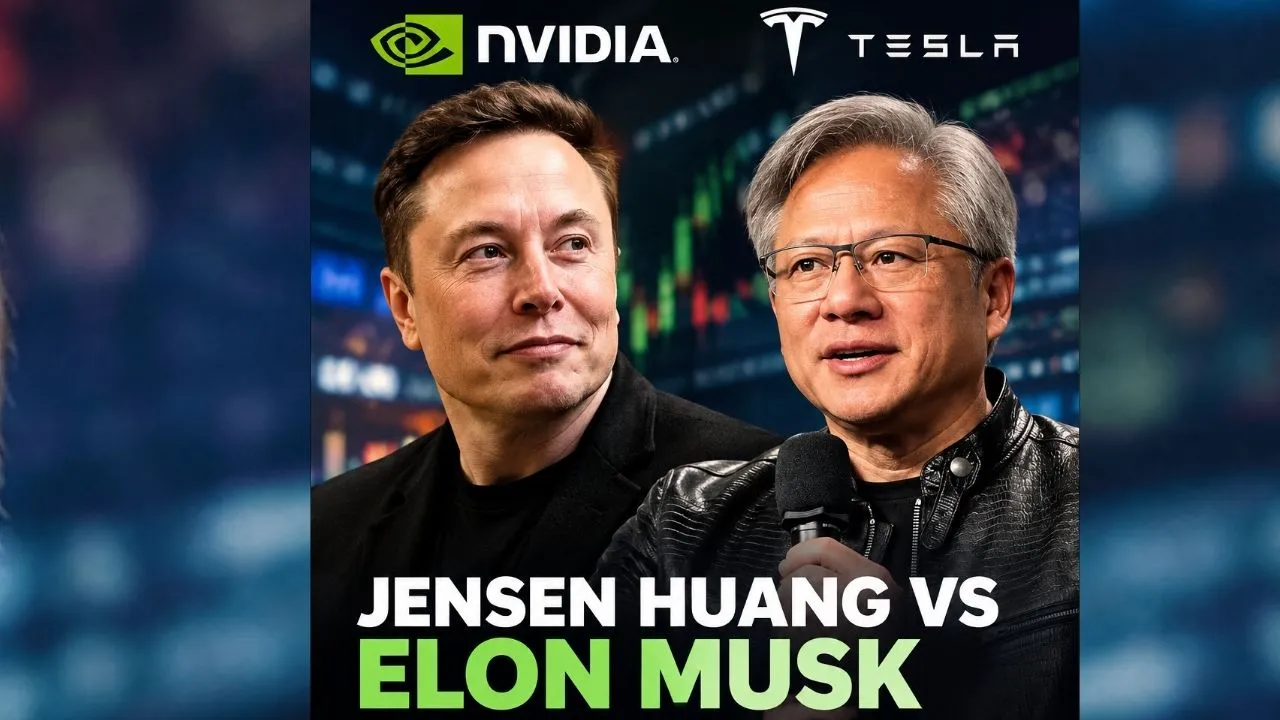
| 2 | Jensen Huang | Built backbone of AI revolution | $90B+ | $60B |
| 3 | Jamie Dimon | Strengthened global banking resilience | $2B | $160B |
| 4 | Mary Barra | Led EV transformation at GM | $90M | $170B |
| 5 | Falguni Nayar | Built profitable beauty platform | $4B | $750M |
| 6 | Anand Mahindra | Sustained diversified growth | $2.5B | $20B |
| 7 | Kumar Mangalam Birla | Expanded global conglomerate | $18B | $65B |
| 8 | Nithin Kamath | Revolutionized retail investing | $2.5B | $1B |
| 9 | Reed Hastings | Built streaming giant | $4B | $38B |
| 10 | Indra Nooyi | Shifted to healthier portfolio | $350M | $91B |
| 11 | Sundar Pichai | Scaled AI & global tech | $1.5B | $300B |
| 12 | Andy Jassy | Built AWS leadership | $500M | $575B |
| 13 | Elon Musk | Revolutionized EV industry | $200B+ | $100B |
| 14 | Tim Cook | Took Apple to $3T valuation | $2B | $390B |
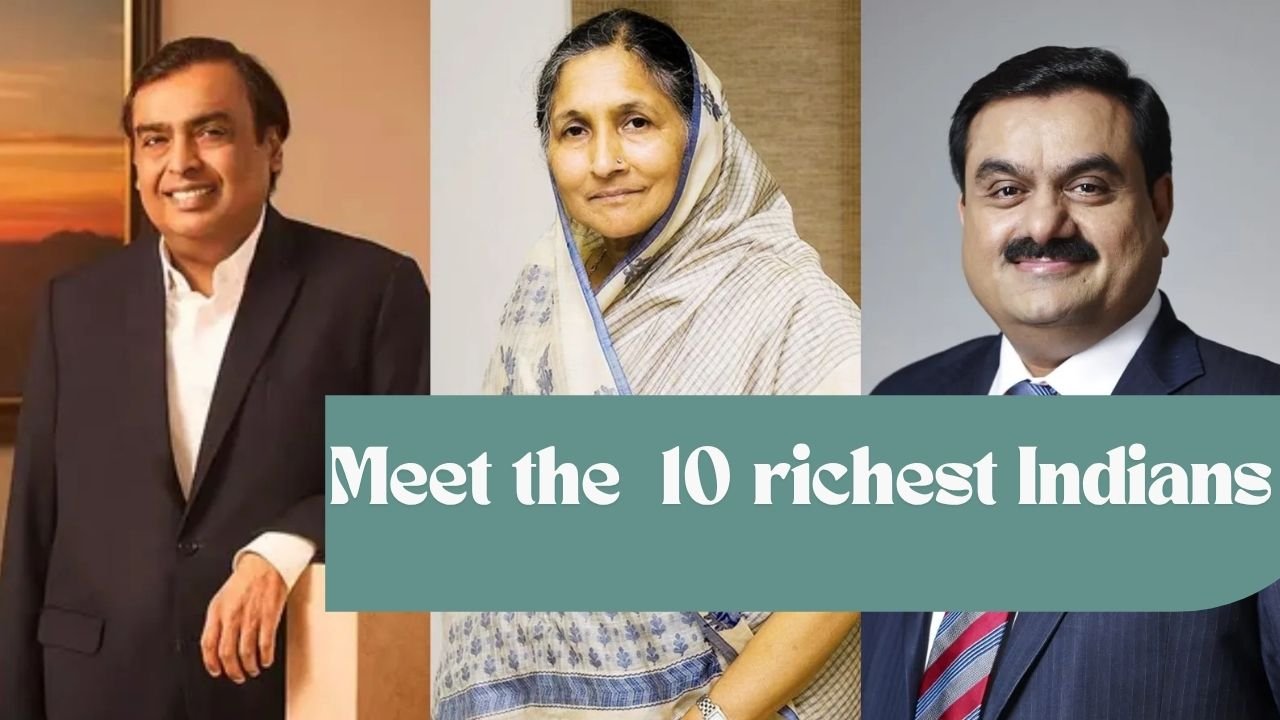
| 15 | Mukesh Ambani | Built telecom & digital giant | $110B | $110B |
| 16 | Gautam Adani | Built infrastructure empire | $85B | $30B |
| 17 | Marc Benioff | Pioneer of SaaS CRM | $9B | $35B |
| 18 | Brian Chesky | Scaled global travel platform | $10B | $11B |
| 19 | Daniel Ek | Revolutionized music streaming | $4B | $14B |
| 20 | Jack Ma | Built e-commerce ecosystem | $30B | $130B |
| 21 | Deepinder Goyal | Scaled food-tech platform | $1B | $1.5B |
| 22 | Vijay Shekhar Sharma | Led fintech revolution | $1B | $1B |
| 23 | Kalyan Krishnamurthy | Strengthened e-commerce | $50M | $15B |
| 24 | Roshni Nadar Malhotra | Expanded IT services globally | $40B | $13B |
| 25 | Salil Parekh | Revived company growth | $200M | $19B |
| 26 | Thierry Delaporte | Restructured global IT ops | $150M | $11B |
| 27 | Arvind Krishna | Shifted to AI & cloud | $100M | $62B |
| 28 | Shantanu Narayen | Built cloud subscription model | $300M | $20B |
| 29 | Susan Wojcicki | Scaled video platform | $800M | $40B |
| 30 | Dara Khosrowshahi | Led to profitability | $200M | $37B |
| 31 | Sam Altman | Led AI revolution | $1B | $3–5B |
| 32 | Mark Zuckerberg | Built social ecosystem | $180B | $135B |
| 33 | Larry Page | Built search empire | $120B | $300B |
| 34 | Sergey Brin | Advanced AI innovation | $115B | $300B |
| 35 | Warren Buffett | Built investment empire | $130B | $365B |
| 36 | Jeff Bezos | Built e-commerce giant | $190B | $575B |
| 37 | Michael Dell | Enterprise transformation | $60B | $100B |
| 38 | Lei Jun | Built global electronics brand | $20B | $40B |
| 39 | Masayoshi Son | Funded global tech giants | $30B | $60B |
| 40 | Whitney Wolfe Herd | Built women-first platform | $500M | $1B |
Business Leader of the Year Satya Nadella’s transformation of Microsoft remains one of the cleanest examples of this principle. His achievement was not merely that Microsoft grew larger under his stewardship. It was that he changed the company’s economic center of gravity, cultural tone and strategic posture at once. He took charge of a very strong and powerful company but it had become quite dull and tired.
By making Microsoft focus much more on cloud computing, big business services and making its platforms central to other people’s work, he didn’t just get the company growing again but he actually changed its long term direction and importance in the tech world which gave it a long term boost. He gave the company back its strategic seriousness. That is what moving an organization to the next level actually looks like: not decorative reinvention, but a new operating logic.
Jensen Huang at NVIDIA represents a more founder-driven variant of the same feat. Many companies build good businesses. Far fewer build the architecture of an era. Huang did not simply ride the AI boom; he spent years constructing the technical and commercial foundations that allowed NVIDIA to become central when the market finally bent in his direction. That is the sort of leadership investors admire only in hindsight, because foresight on this scale usually looks obsessive before it looks brilliant. The lesson is uncomfortable but clear. Taking an organization to the next level often requires committing long before external validation arrives.
Finance offers a sterner proving ground, which is one reason Jamie Dimon continues to matter. JPMorgan Chase is not just a big brand but it is an example of how to build a company which is tough and well controlled and has the potential to think long term instead of chasing quick wins. The finance world doesn’t care about feel good stories or hype. What matters to them is the numbers, risk control and results.
It tests leadership through risk, regulatory pressure, balance-sheet quality and the ability to preserve confidence in unglamorous seasons. Dimon’s value has been his capacity to make scale feel controlled rather than chaotic. He’s the kind of seeing you who knows that the main job is to build an organization which can handle crisis and pressure without falling apart. He focuses on making the company so strong and well-designed which stays clear, stable and functional even when the outside world is chaotic.
Then there are leaders who changed not only companies but category expectations. Mary Barra at General Motors belongs in that discussion. The easy narrative around Barra has always been symbolic, and while the symbolism matters, it is not the real story. The real story is that she has had to move a legacy industrial giant through the brutal convergence of electrification, software, geopolitics and labour complexity without pretending the transition would be clean. That is a far harder task than leading a born-digital company through a hot market. The more mature business lesson is that “next level” leadership is often most visible in incumbents willing to undertake painful strategic shifts while much of the market remains impatient for immediate purity.
India’s own leadership bench offers a version of this story that is too often discussed in narrower terms than it deserves. business leaders in india Falguni Nayar did not merely build Nykaa into a successful beauty platform; she turned trust, curation and disciplined retail expansion into a public-market story at a time when the Indian startup ecosystem was still too prone to confusing capital with quality. Nayar’s significance lies partly in restraint. She built against the grain of performative hypergrowth.
You can say something similar about Anand Mahindra. Under his leadership, Mahindra group has stayed competitive and modern through many ups and downs in the economy without becoming just an old legacy brand people remember only for the past.
Kumar Mangalam Birla has spent years modernizing and expanding a very complicated business group while still keeping it stable and well anchored on the inside.
Nithin Kamath changed the way small investors in India use the stock market through Zerodha. Not through some theatrical excess, but through simplicity, pricing discipline and unusual strategic self-control.
These leaders differ in temperament and sector, but each grasped a point many executives never do: the next level is not a mood. It is a system.
The most impressive lists of this kind would also include leaders who built quietly rather than loudly. That’s why Reed Hastings should belong with this conversation as a top leader even as Netflix enters a more mature phase. He didn’t just make a streaming company bigger again and again but he pushed Netflix to leave its safe and successful zone. First he shifted it from DVD to online streaming and later he used the huge user base of the platform to a much higher by creating and owning big and global content instead of just hosting other people’s show. There is a cruelty to this kind of leadership because it demands self-disruption before the market forces it. But organizations that refuse that discipline usually become case studies in delayed honesty.
There is a tendency in corporate journalism to over-reward the most visible faces of transformation while underpricing the internal labour of making transformation stick. That’s why leaders like Indra Nooyi are still so instructive to study and learn from. At PepsiCo, She did not rely on big and flashy move or sudden U-turn. She spent years patiently de shaping the company’s mix of products based on clear long term view such as people’s eating habit or changing, healthier options and better quality would matter more and the food and drink business had to prepare for that future. She is a reminder that the next level is often built through choices that look unremarkable quarter to quarter and unmistakable only across years.
Any meaningful list of 40 would have to span technology, manufacturing, finance, consumer, healthcare, logistics and platform businesses, because leadership quality is best tested in different climates. It would probably include people as different as Sundar Pichai, who had to turn Google into a more systemically governed machine while preserving product ambition; Andy Jassy, navigating Amazon after the founder era while redefining operational intensity in a slower-growth phase; and leaders in less glamorous businesses whose names seldom dominate headlines but whose institutions have become stronger, faster and more durable because of them. The cult of CEO celebrity often obscures this truth: some of the finest business leadership is nearly invisible from a distance.
There is also a note of skepticism that any credible piece on 40 business leaders should retain. Not every admired CEO belongs on such a list. Some have benefited from timing more than judgment. Some have managed investor expectations better than they have managed the enterprise beneath them. Some have built market value without building institutional depth. The market, especially in exuberant phases, tends to reward surface acceleration. Serious business history is less indulgent. It asks a simpler question: when the cycle turned, when capital tightened, when technology shifted or culture frayed, did the organization prove stronger because that leader had been there?
That question is what separates the genuinely consequential from the merely celebrated. The leaders worth counting among the 40 are not only those who produced growth, but those who altered the metabolism of their companies. They made decision-making better. They changed risk tolerance intelligently. They upgraded talent density. These leaders made it quite clear which markets and battles the company should focus on and clearly the areas it should stay out of. They build companies really strong enough to survive long after the hype and media narratives. This is rarer than headline culture suggests. It is why so few leadership tenures remain interesting once the short-term applause fades.
Perhaps that is the enduring lesson here. Taking an organization to the next level is not a cinematic act. It is a sustained refusal to confuse activity with progress. It requires strategic imagination, certainly, but also calibration, discipline and the patience to strengthen what outsiders rarely see. If one were genuinely to name 40 business leaders who achieved that, the list would not be unified by personality type, ideology or even industry. It would be unified by consequence. Each, in a different way, would have left behind a company more prepared for the future than for the past. There is no higher test of leadership than that, and very few pass it convincingly.