

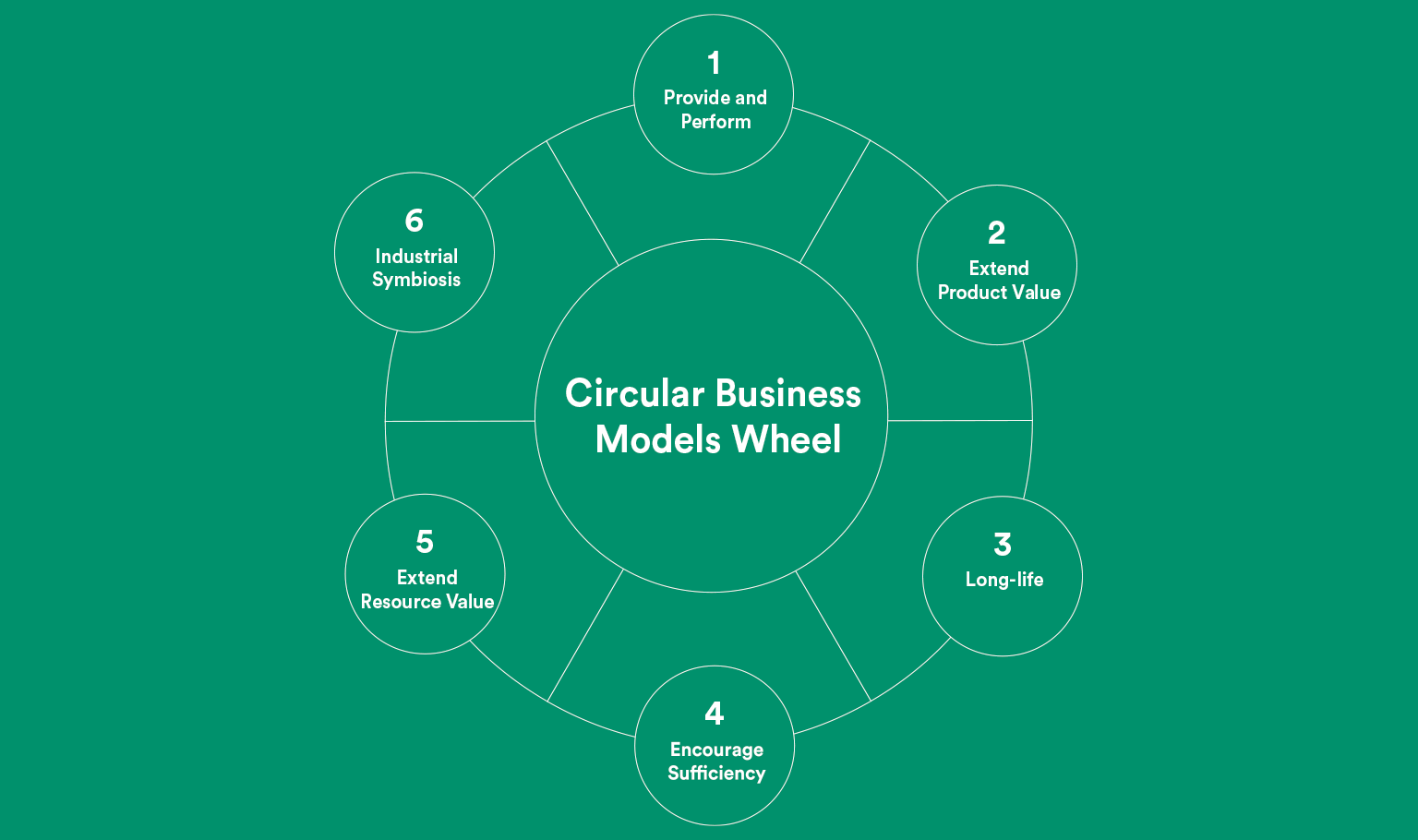
The world economy is at a turning point. Although traditional linear models—take, make, dispose—have spurred expansion, they come at a hefty cost: unsustainable consumption patterns, resource depletion, and environmental deterioration. An appealing substitute is the circular economy, which reduces waste, reuses resources, and continuously creates value.
A Circular Economy: What Is It?
The circular economy is fundamentally about developing closed-loop processes. Products are made to be long-lasting, repairable, and recyclable. The need for virgin resources is decreased by recovering materials and reintegrating them into manufacturing cycles. For companies, this goes beyond sustainability; it’s a chance to innovate, save expenses, and satisfy the increasing demand from customers for ethical business operations.
Examples from the Real World
Circular models are changing how we produce and consume in a variety of industries.
- Fashion: To prolong product lifecycles, brands are offering resale platforms, upcycling clothing, and utilizing recycled textiles.
- Technology: To cut down on e-waste, businesses are refurbishing electronics and putting in place take-back programs.
- Manufacturing: Waste-free production methods and modular components are encouraged by circular design principles.
Women Taking the Lead
The circular economy is becoming more driven by female entrepreneurs. Women-led projects are demonstrating that sustainability and profitability can coexist, from companies developing biodegradable packaging to social enterprises turning agricultural waste into marketable goods. In addition to creating economic benefit, their creative methods promote environmental care and community involvement.
Collaboration and Policy
Public-private collaborations, community involvement, and supportive legislation are necessary for circular economy efforts to be successful. Governments can encourage sustainable procurement, impose extended producer responsibility, and provide incentives for recycling. The adoption of circular models is accelerated by cooperation between companies, academic institutions, and non-governmental organizations, guaranteeing both financial and environmental advantages.
Considering the Future
The circular economy is a movement that is transforming businesses, enabling entrepreneurs, and encouraging sustainable living. It is more than simply an idea. We can transform obstacles into opportunities, build robust business models, and protect resources for future generations by thinking in cycles rather than lines.
The Success Prime celebrates these life-changing experiences by highlighting female entrepreneurs and businesses implementing the circular economy, demonstrating that sustainability, innovation, and economic empowerment can coexist together.
FAQ
1. What is a circular economy?
The goal of the circular economy is to maximize resource utilization and eradicate waste. It focuses on reusing, mending, recycling, and regenerating materials to establish a sustainable manufacturing cycle rather than the conventional “take-make-dispose” approach.
2. How does the circular economy differ from the linear economy?
The basic steps of a linear economy are resource extraction, product manufacturing, and post-use disposal. The circular economy, on the other hand, prolongs product lifecycles, reduces waste, and conserves resources by keeping things in constant circulation.
3. Why is the circular economy important for sustainability?
Pollution, resource depletion, and environmental harm are all lessened by the circular economy. It supports long-term economic resilience and sustainable development by encouraging recycling, product life, and effective material use.
4. Which industries are adopting circular economy practices?
Many sectors are embracing circular strategies. For example:
-
Fashion: Recycling textiles and promoting resale platforms
-
Technology: Refurbishing electronics to reduce Electronic Waste
-
Manufacturing: Using modular design and waste-free production methods
These practices help industries cut costs while improving sustainability.
5. How are women entrepreneurs contributing to the circular economy?
Women entrepreneurs are playing a major role in advancing circular solutions. Many women-led businesses focus on eco-friendly packaging, recycling innovations, and turning agricultural waste into marketable products, demonstrating that sustainability and profitability can go hand in hand.
6. What role do governments and policies play in the circular economy?
Governments can accelerate the transition by introducing policies such as extended producer responsibility, recycling incentives, and sustainable procurement programs. Collaboration between businesses, policymakers, and research institutions is essential for large-scale adoption.
7. How can businesses benefit from adopting circular economy models?
Companies that implement circular processes can lower expenses, increase productivity, and foster more brand trust among customers who care about the environment. Additionally, circular techniques create new chances for long-term growth, resource recovery, and innovation.
8. What is the future of the circular economy?
It is anticipated that the circular economy will emerge as a major worldwide sustainability strategy, assisting businesses in reducing waste, conserving natural resources, and building robust economic systems for coming generations.








Leave a Reply