Introduction
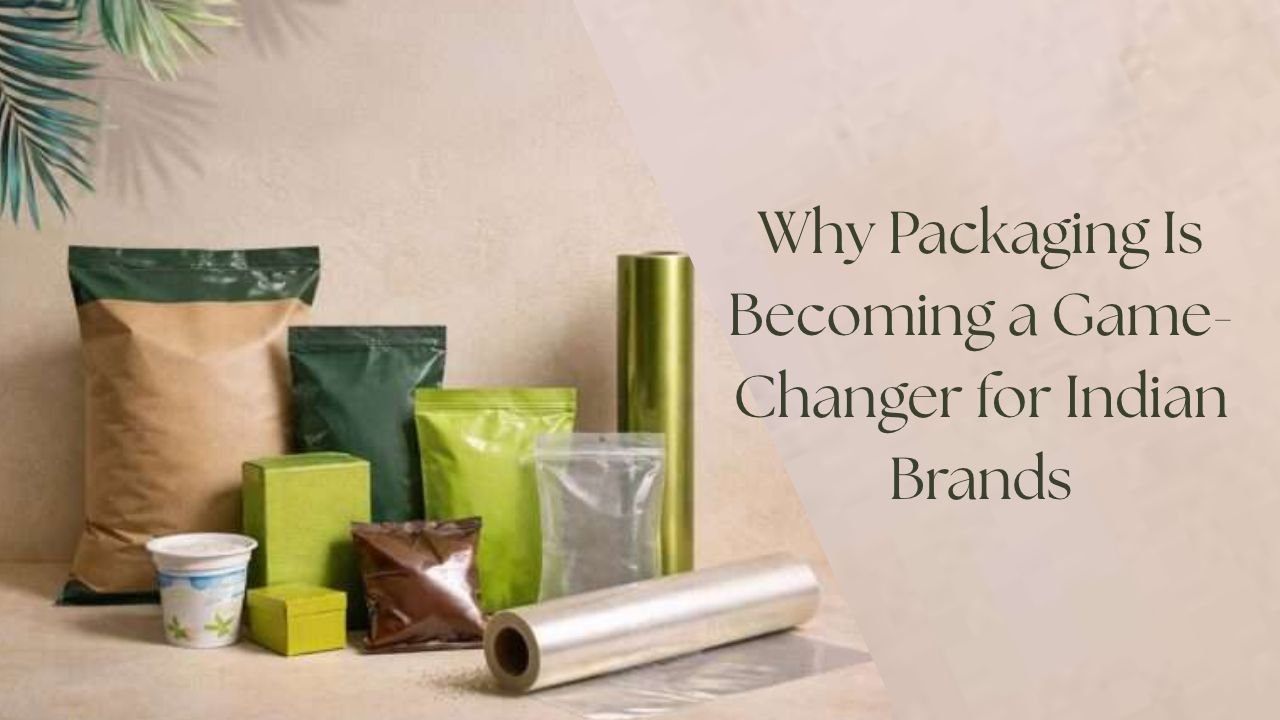
Most people think packaging just keeps a product safe. In reality, there’s a lot more going on behind that box or pouch. Brands test how it holds up against vibration during transport, pick materials carefully, and check whether it can actually survive the trip from the factory to your doorstep. Even the plastic vs. paper debate comes down to real numbers: cost, efficiency and environmental impact.
Packaging is also a smart growth tool. Small packs and sachets let brands reach people who can’t spend much in one go, and a cleverer design can quietly cut costs. In India’s crowded FMCG market, where dozens of products fight for the same shelf, the pack that stands out is often the one that gets picked. That’s why good packaging doesn’t just protect a product, it helps sell it.
How Packaging Became a Competitive Advantage for Indian Brands in 2027
A few years ago, CavinKare offered its shampoo in sachets at Rs 0.50 and Rs 1. These small sachets let people get a product they had never bought in a bottle. The small packaging boosted its sales before any advertising. Today, the same idea has come into our everyday lives. Now, shoppers see, experience, and meet products on a phone screen. Earlier, packaging sat in the cost column of a business; today, it decides who tries a product, who buys it again, and what the company will sell.
Why Smart Packaging Is a Business Advantage
Packaging was considered a cost in the supply chain, manufacturing efficiency, and transport earlier. A shopper meets the package before the product. Packaging Gateway lists colour, typography, shape, material, and finish as the things that create a first impression. It adds that a memorable unboxing can bring online buyers back, and it recommends testing designs with consumers before launch.
Today, packaging also carries brand identity, shapes the customer’s experience, and affects sales. It provides a brand with three advantages: design, efficiency, and sustainability. The packaging can get attention, save money, or earn trust, and the best ones do more than one of these jobs at the same time.
How Innovative Packaging Can Lower Business Costs
D2C brands like Mamaearth, Bombay Shaving Company and Super Smelly are using sachets, mini packets and trial packs to get urban buyers. They want small and cheap, but they do not want to look cheap, so they are focusing on keeping a premium feel at an affordable price.
As urban demand is uncertain, FMCG and D2C brands are moving into smaller, lower-priced packs to attract first-time buyers in rural areas.
Building a Cost-Effective and Consumer-Friendly Packaging Strategy
Good packaging can save money. Lighter materials and modular designs cut transport costs, cut damage and make better use of storage.
One case from custom-packaging maker Zenpack shows. A cheeseboard brand selling on Amazon cut its damage-related returns from 5% to 1% after moving to packaging built around the exact size of the product.
How to Build the Right Packaging Strategy for Your Business
- First decide the key goal of your packaging: attract buyers, protect the product, cut costs or meet a rule. Zenpack says strategy should come before materials and graphics.
- Test the pack where customers see it, both on a shelf and on a phone screen.
- Pick the right size and the price. Small packs are good for trial, and a pack that fits the product wastes less in transit.
- Find out whether you are a brand owner under the plastic EPR rules. If you are, register on the CPCB portal.
- Clearly mention what material the pack is made of and the right way to dispose of it.
To use packaging as a competitive advantage, every founder and entrepreneur should give it equal importance; check the total cost and compare that with what it earns you in trial and repeat buying. Choose a pack size that perfectly fits your customer and keep your claims modest and provable.
The small sachet proved decades ago that a pack can open a market. In this current AI era, brands that package their products for the shelf, the phone screen, and the rulebook can ensure their growth.
The Power of Packaging
Good packaging protects a product on its journey from factory to customer, but let’s be honest: even the best-designed pack can’t stop every bit of damage. Some things will still get dented or scuffed along the way.
Protection isn’t the whole story, though. Think about the last time you opened an Apple box. The material feels solid, the product fits snugly, and the lid lifts off slowly, almost like it’s reluctant to let go. It feels premium, and that’s exactly why so many people keep the box instead of throwing it away. That one small detail says a lot about how the brand wants you to feel.
But designing packaging like this takes more than reading books. You need to understand the basics, test them in real conditions, and spend time on the floor, working with actual materials and actual problems. That’s where real expertise comes from.
Read Also: