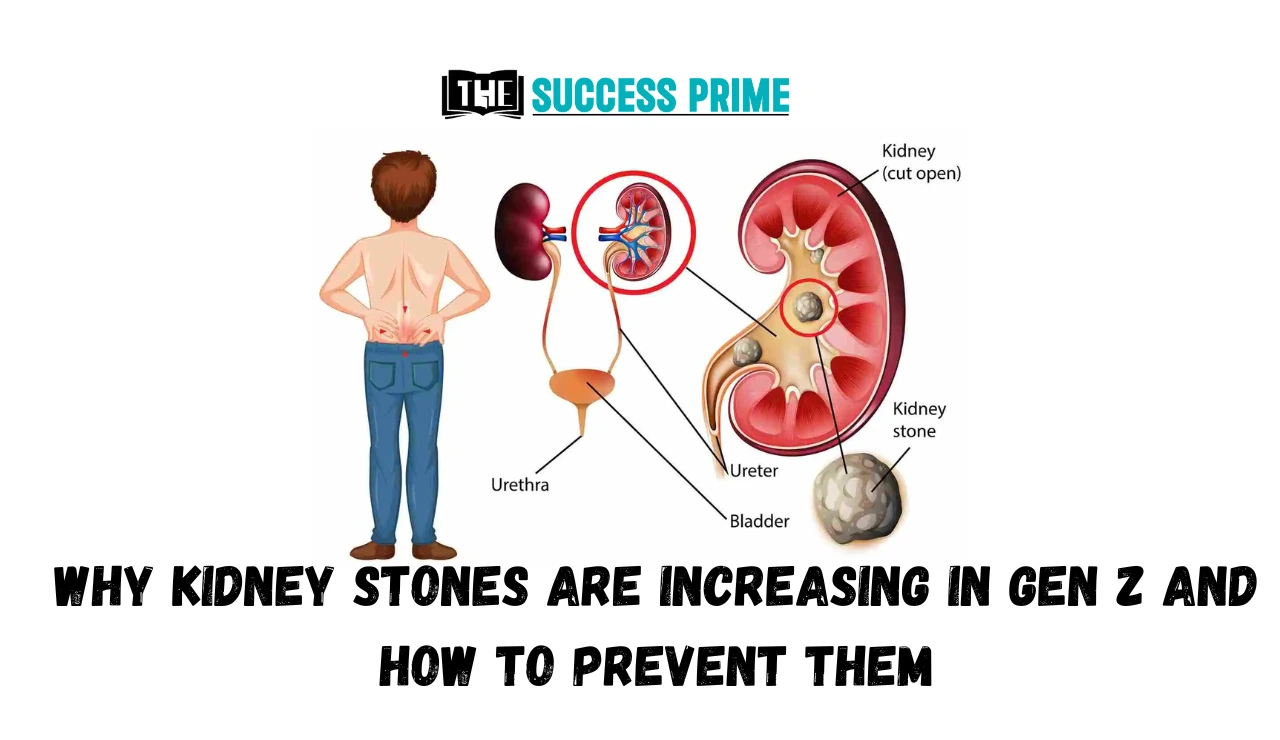
Why Kidney Stones Are Increasing in Gen Z and How to Prevent Them
Add some salt into a glass. In the water, the salt dissolves. Continue adding salt at this point. The salt will eventually cease to dissolve. Tiny particles will start to sink to the bottom of the glass. These particles eventually combine to create a tiny lump, which is effectively a little stone.
A kidney stone is the result of the same process occurring inside the kidneys. Many people get kidney stones at some point in their life, although they are typically not seen as a serious illness. However, Gen Z has seen an increase in kidney stone cases in recent years. Why is this taking place?
Why Are Kidney Stone Cases Increasing Among Gen Z?
Kidney stone cases are rising among Gen Z due to several lifestyle-related factors. These include inadequate water intake, high consumption of junk and processed foods, excess salt intake, frequent consumption of soft drinks and energy drinks, lack of physical activity, irregular sleep patterns, and increased screen time. Genetic factors also play a role, especially if there is a family history of kidney stones.
What Are the Symptoms of Kidney Stones?
The symptoms of kidney stones vary depending on their size and location. Common signs include:
- Severe pain in the lower back or side of the abdomen
- Pain that may radiate from the abdomen to the groin
- Burning sensation or pain while urinating
- Blood in the urine
- Nausea or vomiting
- Fever and chills (if there is an infection)
- Frequent urge to urinate
What Mistakes Should Be Avoided?
To reduce the risk of kidney stones, avoid the following:
- Drinking too little water
- Eating excessive salty, junk, or processed foods
- Consuming too many soft drinks, energy drinks, tea, or coffee
- Taking painkillers without medical advice
- Ignoring early symptoms
- Sitting for long hours without physical activity
Which Tests Are Required for Kidney Stones?
Doctors may recommend the following tests to diagnose kidney stones:
- Urine test
- Blood test
- Ultrasound (USG KUB)
- CT scan (NCCT KUB), which is the most accurate
- Stone analysis if the stone passes naturally
What Is the Treatment for Kidney Stones?
Treatment depends on the size and location of the stone:
- Small stones (up to 4–5 mm): Increased water intake, medications, and physical activity; stones often pass naturally.
- Medium-sized stones: Medications and close monitoring; in some cases, shock wave therapy (ESWL).
- Large stones: Laser or endoscopic surgery; open surgery is rarely required.
If we compare with previous generations, the incidence of kidney stones in today’s younger generation has nearly doubled. Earlier, it was around 12–15%, but now it has risen to 20–25%. Several factors contribute to this increase, but the main reasons are changes in diet, a sedentary lifestyle, and rising obesity, which has become quite common.
Other contributing factors include diets deficient in antioxidants and reduced sun exposure. All of these elements make today’s younger generation much more prone to developing kidney stones.
Most of the time, when the stone remains confined to the kidney, it is silent and may not cause noticeable symptoms. Early signs can include blood in the urine or urinary tract infections, which may indicate the presence of a kidney stone.
However, in the majority of cases, the stone is only detected when it moves from the kidney into the ureter—the tube connecting the kidney to the bladder. It is at this point, when the stone gets stuck in the ureter, that the patient typically experiences severe pain, prompting medical attention.
How to Prevent and Manage Kidney Stones
- Diet Matters
Avoid the westernized diet and minimize reliance on ultra-processed foods. Your diet should be rich in antioxidants, including raw vegetables and fresh fruits, ideally consumed daily. This helps reduce the risk of stone formation. - Maintain a Healthy Weight
Obesity significantly increases the risk of kidney stones. Aim to keep your BMI below 30. While a normal BMI is considered up to 25, even staying in the overweight range is safer than reaching obesity. Maintaining a healthy weight reduces the chances of stone formation. - Daily Exercise
Engage in at least 20–25 minutes of daily activity. This could be brisk walking, running, swimming, or any form of exercise that raises your heart rate. Daily physical activity is key to preventing stones and supporting overall kidney health. - Adequate Sun Exposure & Vitamin D
Vitamin D deficiency is linked to kidney stones. Ensure you get enough sun exposure daily. If tests show a deficiency, take steps to correct it, as proper Vitamin D levels can reduce stone risk. - Stay Hydrated
Aim to drink enough water so that your daily urine output is around 2–2.25 liters. Minimize intake of caffeinated drinks, alcohol, and tobacco—reducing them lowers stone risk significantly.
Diagnosis and Testing
The most accurate test for detecting kidney stones is a plain CT scan. However, due to radiation exposure, repeated scans are not recommended. For initial screening, aultrasound (sonography) is commonly used. If a stone is detected or symptoms appear, a CT scan can be performed for confirmation.
Treatment of Kidney Stones
Treatment depends on several factors:
- Stone size
- Stone location
- Type of stone
- Kidney condition
- Patient’s overall health
Small stones often pass naturally with medication and increased fluid intake.
Stones stuck in the ureter or those causing kidney infections usually require surgical removal.
Large stones in the kidney may also need surgery. The good news is that most modern kidney stone surgeries are minimally invasive (endoscopic). No cuts or stitches are needed—stones are removed through the urinary tract using specialized instruments, keeping the kidney safe and intact.
Anyone who has experienced a kidney stone remembers the pain for life, which is why prevention, timely detection, and proper management are so important.
Click Here: