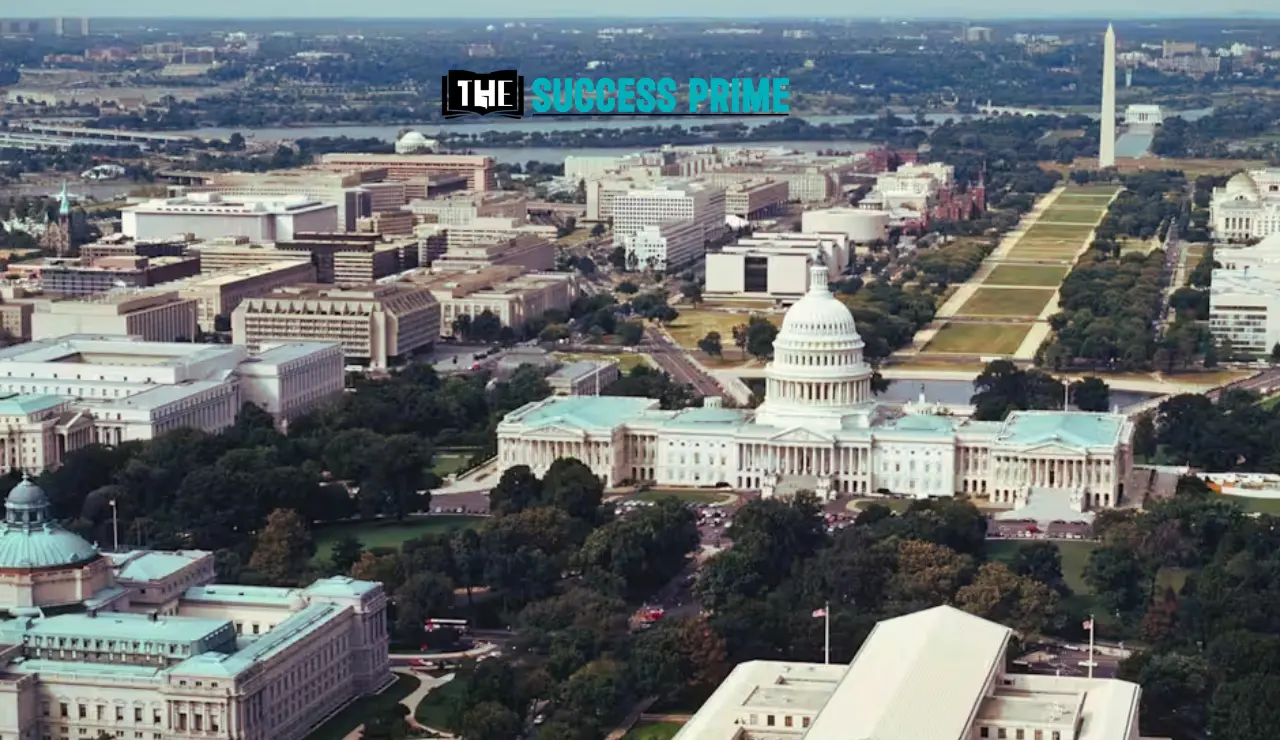
Washington DC is often introduced to the visitor as the political capital of United States of America. Yet for many residents, the city is defined as far more regular with the mixture of rhythm of match days, victories and even the quiet disappointment of late-night losses. In order to understand the plays better we have to first understand the iconic sports fan news which this place offers which can ultimately add depth and movement to that picture.
In this blog, we’re going to take a look at the other side of Washington DC. We are going to discuss iconic sports venues of this place.
Don’t Leave Washington DC Without Visiting These Iconic Sports Venues
Capital One Arena: The City’s Indoor Stage
This place is located in the heart of the pan quarter and Chinatown district. This area is known for intensively used indoor venues and hosting professional basketball, ice hockey, college basketball, concerts and special events.
There are three major teams which call this arena as home. The Washington Wizards, the Washington Capitals and Georgetown University. These team play here basketball, hockey and basketball again respectively.
From a visitor’s perspective, two features make Capital One Arena especially attractive. First, its central location reduces the friction often associated with large venues. In you can find hotels, cultural sites and meeting spaces just within walking distance or a short metro journey. During the winter months, basketball and hockey matches is being played in close succession.
Nationals Park
Nationals Park has reshaped this place completely. When this place was opened in 2008, it was characterized by industries and underused land. Since then, this place has become one of the most visible examples of waterfront renewal along with apartments and offices.
The Washington Nationals, the city’s Major League Baseball franchise, play their home games here from late March through September. A typical evening game lasts several hours, offering visitors time not only to watch the sport but also to observe the many subcultures that assemble in an American ballpark: families, office colleagues, lifelong fans and first‑time observers.
National parks is notable for its line of sight beyond the playing field. Visitors can see the outline of the capital and the Washington Monument. The visual connection between the game and this institution of government is more than novelty as it captures the manner in which the civic identity interact in this particular city.
For those unfamiliar with baseball, the sport’s measured pace can be an advantage. It allows time to understand the structure of the game, to talk with companions, and to follow the ballpark traditions that surround it—from the seventh‑inning stretch to local rituals such as the “Presidents Race”. The experience is as much social and spatial as it is athletic.
Audi Field: A Modern Home for Football in the Global Sense
This field stands as a purposeful built stadium and it was open in the year 2018. It is often regarded as the home of DC united which is one of the Major League soccer’s founding clubs and also a key venue for the Washington spirit of the national women’s Soccer League. When you will compare it with multipurpose concrete bubbles of an earlier error then you will find that this place presents a contemporary vision. You can find steep stance which keeps supporters close to the action and integrate food and hospitality spaces which is a layout which has been designed specifically for football.
It has played an important role in the history of professional football in the United States of America. Major soccer leagues have been played at this spot.
For visitors, a match at the Audi field can feel familiar and different at the same time. There is not the translation of sports but context really changes. American supporters blend international football with local habits which ultimately creates an atmosphere which egos with Latin American grounds without copying them.
The Legacy of RFK Stadium
Although it is no longer open to the public, Robert F. Kennedy Memorial Stadium remains part of the story. For decades, this multi‑purpose arena was the stage on which much of Washington’s sporting life unfolded. American football, baseball and soccer all passed through its doors. The Washington Redskins (now the Commanders) played there for 36 seasons. D.C. United spent more than twenty years using RFK as home ground. The stadium hosted World Cup matches in 1994 and Olympic football in 1996.
RFK’s current demolition reflects a transition that has occurred across the United States. The multi‑sport structures built in the mid‑twentieth century are giving way to more specialised venues which promise improved sightlines for spectators and additional commercial opportunities for owners. The disappearance of the stadium is not merely the removal of an old building rather it Marks and end of a particular idea about what a stadium really should be. Visitors who have keen interest in urban history, this evolution is ready for them although it can only be traced through local accounts or photographs in present time.
American Football on the Region’s Edge
The National Football League presence associated with Washington is currently based outside the district boundary, at a stadium in suburban Maryland. Although not in the city proper, this venue remains part of the sporting life of Washington residents, and game days have perceptible effects on traffic, public transport and local broadcasters. For a visitor with a particular interest in American football, attending a game can be a way to encounter the scale and choreography of the country’s most commercially powerful sport: pre‑game tailgating, coordinated presentations on large screens, and a highly structured contest divided into precise segments of play.
However, the distance from central DC, and the time commitment involved in a full NFL game, mean that this option is often most suitable for travellers whose itinerary already includes time in the wider metropolitan area.
Choosing What to See With Limited Time
Not every visitor will be able to attend multiple events. Time, budget and personal interest inevitably shape decisions. A practical approach is to view the venues as complementary.
- Capital One Arena suits travellers who value convenience and wish to combine a game with work commitments or cultural visits in the downtown core.
- Nationals Park offers an opportunity to see baseball while observing a changing waterfront district and, in many cases, enjoying views of national landmarks beyond the outfield.
- Audi Field is the natural choice for those who follow football in its global form, or who wish to see a more compact, contemporary stadium and a rapidly redeveloping corner of the city.
Choosing one does not exclude the others, but even a single visit can add a layer of lived experience to what might otherwise be a purely institutional picture of the capital.
Washington DC is often viewed through the lens of protocol and policy but the sports venues provide a kind of counterweight. It just shows that the residents actually cared about working hours as well as sports. So, don’t forget to step into the capital you’re going to miss an important part of the contemporary story which the city can offer you.
Read Also: Exploring America: Top 10 Reasons You Must Visit the USA