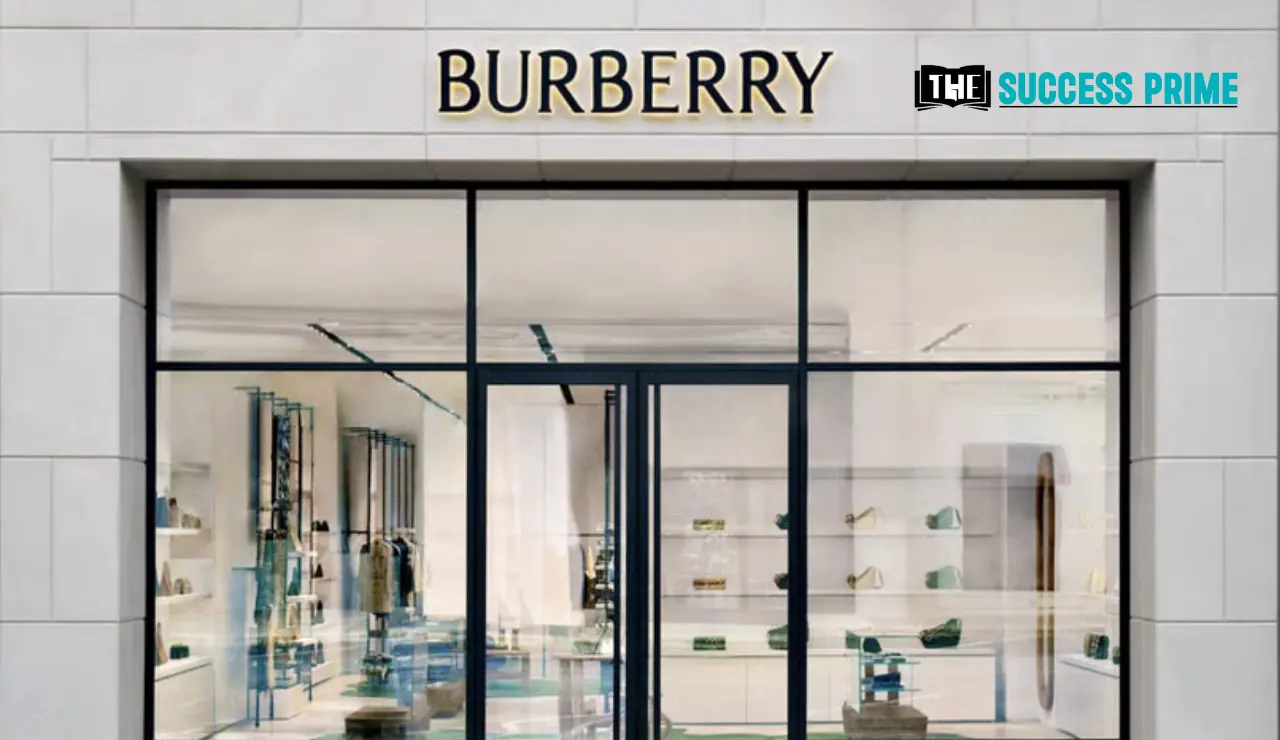
Burberry: A Classic British Brand with a Timeless Global Legacy
Burberry’s journey from a regional outfitter to a global luxury house has been built on a careful equilibrium: technical, fabric‑driven innovation on one side and a clear imprint of British culture on the other. While few contemporaries can point to a single product as emblematic as the Burberry trench, the brand’s rise also reflects strict brand stewardship and tight supply‑chain control as much as narrative mystique. That pairing—craft allied to governance—has carried the house through wars, downturns, and changing tastes, keeping it a benchmark for outerwear and for British luxury.
Founding intent and material innovation:
At the outset, the brief was clear and local: build weatherproof clothing capable of withstanding Britain’s damp winds and persistent chill.That mandate produced gabardine—tightly constructed, breathable, and tough—which quickly became a signature of the house.It was an exercise in problem‑solving rather than ornament.Waterproofing the yarn before weaving yielded a fabric that turned aside rain yet allowed the body to breathe, a decisive edge for outdoor pursuits and urban use.
Symbols that travel:
Two signatures gave the brand instant recognisability: the equestrian knight emblem, evoking a spirit of forward motion and chivalry, and the house check, conceived as a lining and later deployed with greater visibility. Their power lies in restraint. The judicious re‑editing of such codes—never abandoning them, never allowing saturation—has been central to preserving brand equity while extending reach.
Licensing, control, and the price of growth:
As the company internationalised in the post‑war decades, it followed the path many heritage brands took: licensing to accelerate visibility and monetise trademarks. That decision delivered revenue and distribution but diluted control over product consistency and presentation in several markets. The corrective required patience.
Retail theatre and digital fluency:
The firm was early to recognise that retail spaces and digital channels are not mere sales points; they are stages on which heritage must be performed credibly. Streaming shows, opening inventories to real‑time storytelling, and using music, film, and architecture to frame product lines turned the runway into a broadcast and the flagship into a gallery of craft. This was not novelty for novelty’s sake. The trench and its derivatives remained the plot; multimedia simply extended the reach of a coherent narrative. Importantly, the brand used digital to add proximity—craft close‑ups, process notes, maker stories—that justified pricing and nurtured trust.
Creative direction as stewardship:
The most effective creative leadership at the house has treated icons not as relics to be preserved under glass, but as working tools to be tuned. That work is often subtle: adjusting the collar roll, refreshing hardware, recalibrating shoulder lines, editing the check’s scale, refining leather colour standards. Expansions into adjacent categories—leather goods, knitwear, footwear—have been most persuasive when they have drawn from the grammar of outerwear rather than running from it.
The economics of heritage
Behind the runway and the store facade is a system built for durability: fabric standards written in technical language rather than marketing copy, pattern libraries documented to the millimetre, finishing processes codified to guard against drift. This system is not sentimental. It exists to keep replenishment styles precise over many seasons, to ensure alterations are feasible, to allow repairs years after purchase, and to maintain the margin structure on anchor products. A heritage business that cannot produce the same coat to the same standard across cycles is not a heritage business for long.
Managing risk through concentration and range:
Outerwear dominance is an advantage, but it is also a concentration risk. The brand’s answer has been to broaden the trench concept without diluting it: seasonal fabrications, varied lengths, climate‑specific linings, and design language translated into field jackets, car coats, and capes. Seasonal fashion statements change store windows; the trench and its kin keep the profit and loss statement honest. The purpose of range is not to escape the core but to interpret it for different geographies, climates, and use‑cases, all while protecting recognisability and fit profiles.
Brand codes in motion:
Logotypes, knight devices, and checks have been revised over time to reflect the era’s typography, colour preferences, and cultural mood. These changes are not stochastic. They respond to the need for contemporary clarity—legibility on screens, adaptability in small formats, versatility across categories—without severing the thread to the archive. A brand with active codes must accept periodic recalibration; a brand that recalibrates too often teaches clients not to invest. The house has learned the cadence of change the hard way and is the steadier for it.
Supply chain as strategy, not plumbing:
Customers may never read a fabric spec sheet, but they feel the difference when collars sit correctly, sleeves break where they should, and seams age gracefully. That accumulated credibility shows up in lifetime value and resale prices more reliably than any campaign.
Resets, cycles, and staying the course:
Every heritage house faces periods where economic headwinds, inventory imbalances, or creative misfires demand a reset. For this brand, the path back has been remarkably consistent: defend the trench, clarify the leather‑goods proposition, right‑size seasonal complexity, tighten brand codes, and re‑invest in fabric and fit. Investors appreciate the simplicity of that playbook; clients appreciate the results on the rail. The danger is not boldness but drift. The cure, always, is to make the best trench coat on earth and let everything else orbit that fact.
Sustainability without theatre:
Clients now expect credible progress on materials, traceability, repairability, and end‑of‑life options. The company’s advantage is a product whose very purpose is longevity. Enhancing that with recycled or responsibly sourced components, offering in‑house alterations and restoration, and partnering for certified supply‑chain transparency deepens the moat. Quiet wins—longer‑lasting hardware, fewer defects, better take‑back rates—speak louder than manifestos.
Outlook: forward, in the truest sense
The house’s future will be shaped by disciplined attention to its greatest assets: engineered cloth, the trench silhouette, and a small set of unmistakable codes arranged with restraint. Growth will come from doing fewer things better, from distribution agreements that serve the brand rather than the quarter, and from creative direction that edits relentlessly. As markets cycle, the logic holds. Someone must make the coat that works in rain and reads as elegant in every city from London to Seoul. If the brand continues to do that better than anyone else, it will deserve the position it occupies.
Conclusion:
Burberry’s rise is neither an accident nor a fairy tale. It is the cumulative result of thousands of precise choices: how a collar is set, how a check is scaled, how a retail team explains fabric to a client, how a campaign image honours the product it features. In a category awash with noise, the brand’s strength is proof. Fabric that performs. Craft that lasts. Symbols that still mean what they have always meant. That is how a British outfitter became a British luxury giant—and how it remains one.
FAQ: Exploring Burberry: The British Luxury Giant That Redefined Fashion
1. What is Burberry best known for?
Burberry is best known for its iconic trench coat, the innovative gabardine fabric, and its distinctive codes such as the Burberry Check and the equestrian knight emblem. These symbols have defined the brand for over a century and continue to represent British craftsmanship and luxury.
2. How did Burberry start?
Burberry was founded in 1856 by Thomas Burberry with a simple goal: to create durable, weather-resistant clothing suitable for Britain’s harsh climate. This mission led to the invention of gabardine, a breathable yet waterproof fabric that transformed outerwear.
3. What makes gabardine fabric special?
Gabardine is tightly woven, lightweight, and weather-resistant. Unlike traditional fabrics, Burberry waterproofed the yarn before weaving, creating a material that repels rain while allowing airflow—making it ideal for outdoor use and later, for the iconic trench coat.
4. Why is the Burberry trench coat iconic?
The trench coat embodies the brand’s mastery of functional design and timeless style. Its recognisable silhouette, technical fabric, and military heritage have made it one of the most enduring designs in luxury fashion.
5. What are Burberry’s key brand symbols?
Burberry’s signatures include:
The Equestrian Knight Logo – symbolising honour, forward motion, and craftsmanship.
The Burberry Check – originally used as a coat lining and now applied in accessories, apparel, and footwear.
These codes are carefully preserved and updated to ensure relevance without overexposure.
6. Did Burberry face challenges with licensing?
Yes. In the post-war expansion era, Burberry licensed its products globally to boost visibility. While this generated revenue, it compromised consistency and quality in some regions. The brand later spent years regaining control to protect its standards and identity.
7. How has Burberry embraced digital innovation?
Burberry was an early pioneer in digital luxury. From live-streamed fashion shows to social media storytelling and behind-the-scenes craft videos, the brand used digital platforms to showcase its heritage, craftsmanship, and products in new, immersive ways.
8. How does Burberry balance tradition with modern design?
Burberry maintains core elements—trench silhouettes, gabardine, house checks—while allowing creative directors to reinterpret these classics. Adjustments in fit, scale, colours, and materials keep the icons relevant without compromising their essence.
9. What role does craftsmanship play in Burberry’s success?
Craftsmanship is central to Burberry’s identity. The brand maintains strict standards for fabric, fit, pattern cutting, and finishing. These details ensure durability, comfort, and a consistent product experience across seasons and regions.
10. How does Burberry manage its product range?
Outerwear remains Burberry’s core strength, but the brand expands through strategic categories such as leather goods, knitwear, and footwear. These are designed using the “grammar of the trench”—structured lines, precision tailoring, and technical fabric concepts.
11. How often does Burberry update its brand codes?
Revisions to logos and checks are infrequent and deliberate. Updates ensure clarity for digital use, modern aesthetics, and brand consistency. Burberry avoids excessive rebranding to maintain customer trust and long-term brand equity.
12. Why is supply chain control so important to Burberry?
Burberry treats its supply chain as a strategic asset, not just operational plumbing. Tight control ensures precise fits, consistent materials, longevity, repairability, and strong resale value—critical for heritage brands that rely on repeat purchases.
13. How does Burberry address sustainability?
Burberry focuses on long-lasting design, responsible materials, repair services, and supply-chain transparency. The brand emphasises quiet, practical sustainability over flashy campaigns—favoring durability, recyclability, and measurable improvements.
14. What keeps Burberry relevant in global markets?
Burberry’s relevance comes from:
A timeless product core
Consistent brand codes
Strong digital storytelling
High craftsmanship standards
Product lines adapted for various climates and cultures
It delivers both legacy and modernity without compromising on either.
15. What does the future look like for Burberry?
Burberry’s future depends on refining its strengths: technical fabrics, trench-inspired silhouettes, selective distribution, and disciplined creative direction. By focusing on quality and brand integrity, the company aims to remain a leading global luxury player.
16. When was the Burberry Check introduced?
The Burberry Check was introduced in the 1920s as a trench coat lining. Over time, it became one of the most recognisable patterns in fashion, later appearing prominently on accessories and apparel.
17. What inspired the Equestrian Knight logo?
The Equestrian Knight, created in 1901, symbolises honour, forward-thinking, and craftsmanship. The banner reading “Prorsum” means “forward,” reflecting Burberry’s heritage of innovation.
18. How did Burberry’s trench coat become linked to British identity?
Originally made for British military officers during WWI, the trench coat became a symbol of British resilience, elegance, and engineering. Its design bridged function and style, making it a global cultural icon.
19. Why does Burberry focus so heavily on outerwear?
Outerwear is the brand’s economic engine. Trench coats, car coats, and field jackets maintain high margins, repeat purchases, and global recognition. Seasonal items create buzz, but outerwear anchors the business.
20. How did Burberry recover from brand dilution?
After over-licensing in the 1970s–1990s, Burberry slowly re-acquired licenses, tightened distribution, and re-established brand standards. This disciplined correction restored its luxury positioning.
21. What role do creative directors play in Burberry’s evolution?
Creative directors act as stewards of heritage, maintaining core codes while introducing subtle updates—adjusting checks, refreshing silhouettes, introducing new materials, and expanding categories without compromising identity.
22. How does Burberry keep consistency across global stores?
Burberry uses strict global guidelines for materials, fits, store design, and product displays. This ensures that a trench coat purchased in London feels identical to one purchased in Tokyo or New York.
23. Why is supply chain discipline important to Burberry’s luxury status?
Consistency in pattern cutting, fabric construction, seam finishing, and hardware ensures durability and resale value. This technical precision builds customer trust and reinforces its luxury credibility.
24. How does Burberry use digital platforms differently from other brands?
Burberry was the first luxury brand to live-stream fashion shows, offer digital retail experiences, and create behind-the-scenes craft content. Digital is used not for trends, but to deepen storytelling and brand heritage.
25. What is Burberry’s approach to repairs and longevity?
Burberry offers in-house repairs, alterations, and product restoration, reinforcing the company’s commitment to longevity and sustainability. Customers often keep pieces for decades.
26. How does Burberry approach global expansion?
Burberry expands only where distribution aligns with brand standards. It prioritises controlled retail, premium department stores, and carefully chosen franchise partners to protect brand equity.
27. What materials are commonly used in Burberry products?
Beyond gabardine, Burberry uses high-grade cotton, merino wool, Italian leather, responsibly sourced cashmere, technical blends, and specially engineered waterproof fabrics.
28. How often does Burberry release new collections?
Burberry follows the global fashion calendar—releasing two major collections a year—with micro-drops and seasonal edits that maintain freshness without overwhelming core icons.
29. Does Burberry manufacture all products in the UK?
Not all items are made in the UK, but iconic trench coats are produced at Burberry’s heritage factories in Castleford and Keighley, ensuring strict craftsmanship standards.
30. How does Burberry maintain its premium pricing?
Premium pricing is justified through:
Technical fabrics
Precision tailoring
Controlled distribution
Long-lasting performance
Strong resale value
Luxury pricing reflects both craftsmanship and brand equity.
31. What is Burberry doing to attract younger customers?
Burberry appeals to younger audiences through streetwear-inspired accessories, collaborations, bold check reinventions, digital-first campaigns, and content focused on authenticity and craftsmanship.
32. How does Burberry use storytelling in marketing?
Burberry’s storytelling blends heritage, British culture, music, nature, architecture, and craftsmanship. Campaigns often highlight artisans, trench-making processes, or cultural settings tied to British identity.
33. What differentiates Burberry from Italian and French luxury houses?
Burberry’s strength lies in its British engineering mindset—function, restraint, technical excellence—versus the more decorative or opulent approach of many European competitors.
34. How does Burberry manage product evolution without losing its identity?
The brand updates icons through micro-adjustments—subtle shifts in silhouette, hardware design, lining options, and fabric innovation. This keeps garments modern but unmistakably Burberry.
35. What is the future focus of Burberry?
Burberry aims to refine its core, grow leather goods, strengthen outerwear leadership, optimise global stores, and continue digital immersion. The long-term goal: remain the world’s most trusted maker of elegant, functional outerwear.
36. How does Burberry maintain its luxury status in a competitive market?
Burberry protects its luxury positioning through tightly controlled distribution, high craftsmanship standards, strict brand governance, and selective innovation that enhances rather than replaces its heritage products.
37. What is the significance of the Burberry house codes?
House codes—such as the trench silhouette, gabardine, the knight emblem, and the check—act as anchors of recognisability. They ensure brand continuity even as creative direction shifts.
38. How does Burberry balance innovation with tradition?
Burberry innovates through fabric engineering, digital experiences, and subtle design evolution while keeping traditional craftsmanship and British aesthetic principles at the center of all products.
39. Why is Burberry’s trench coat considered a long-term investment?
Its durable materials, expert construction, repairability, and timeless design make it a piece that lasts decades. Its strong resale value reinforces its role as a long-term wardrobe investment.
40. What role does British culture play in Burberry’s identity?
Burberry consistently draws from British landscapes, weather, architecture, music culture, and military heritage. This grounding makes it authentically British even as it engages global audiences.
41. How does Burberry ensure product consistency across seasons?
The brand maintains pattern libraries, technical fabric documentation, and precise finishing standards. These systems ensure that core products—especially outerwear—stay consistent year after year.
42. Why did Burberry rethink its licensing model?
Over-licensing diluted brand quality in several markets. Reining in licenses restored control, premium positioning, and product consistency—crucial for long-term brand strength.
43. How does Burberry approach global fashion trends?
Burberry interprets trends through its house codes rather than chasing them. Even when introducing modern silhouettes or bold styles, the brand keeps a clear British luxury signature.
44. What makes Burberry’s digital strategy unique in the luxury world?
Burberry used digital not simply to reach younger audiences, but to show craft up-close—process videos, fabric explanation, and maker stories. This builds transparency and brand trust.
45. Does Burberry collaborate with other brands?
Yes, selectively. Collaborations are chosen based on creative alignment and long-term brand value. They are rare and strategic, designed to elevate the brand rather than generate hype alone.
46. How does Burberry decide which markets to expand into?
Expansion is driven by customer base maturity, climate relevance for outerwear, retail potential, and long-term profitability. Burberry prioritises quality of presence over quantity.
47. What makes Burberry attractive to luxury investors?
Its strong core product (outerwear), high-margin categories (leather goods), controlled distribution, and global brand recognition provide stable long-term growth potential.
48. How does Burberry protect itself from fashion cycles?
By relying on perennial products—trench coats, scarves, boots—Burberry maintains healthy cash flow even when seasonal fashion trends fluctuate.
49. What is Burberry’s stance on logo visibility?
Burberry balances visible checks and logos with more understated, heritage-focused expressions. This prevents overexposure and maintains luxury appeal.
50. How important is fabric engineering to Burberry?
It is fundamental. Burberry’s heritage is built on functional innovation like gabardine. Modern collections include storm systems, breathable membranes, and technical blends engineered to enhance performance.
51. How does Burberry ensure customer loyalty?
Through consistent product quality, excellent in-store service, repair offerings, timeless designs, and strong resale value. Customers trust the brand to deliver long-lasting value.
52. What is Burberry’s approach to leather goods?
Burberry has strengthened its leather goods portfolio by applying trench-inspired structure, precision edges, and house codes. This category drives growth alongside outerwear.
53. How does Burberry tailor products for different climates?
The brand creates variations of trench linings, lighter fabrics for tropical markets, insulated options for cold regions, and waterproofing updates for regions with heavy rainfall.
54. What makes Burberry’s retail experience unique?
Stores act as “heritage theatres,” showcasing craft, British storytelling, and hallmark products. Architectural choices and contemporary displays echo the brand’s identity.
55. Why does Burberry prioritise subtle design changes?
Subtle evolution protects heritage while keeping products modern. Radical reinvention would risk disconnecting the brand from its roots.
56. How does Burberry handle brand resets after weak creative phases?
The brand returns to fundamentals: perfecting the trench, simplifying collections, correcting brand codes, and strengthening fabric innovation and leather goods.
57. What is Burberry’s main sustainability advantage?
Longevity. Burberry’s products are built to last decades. Pairing durability with recycling tools, responsible materials, and repairs creates authentic sustainability.
58. Does Burberry offer custom or personalized products?
Yes. Customers can customise trench coats with monograms, lining options, and unique finishes. These services enhance customer attachment and exclusivity.
59. How does Burberry differentiate itself from fast fashion?
Restraint, durability, controlled distribution, and meticulous craftsmanship distinguish Burberry from disposable fashion models.
60. What is the long-term vision for Burberry?
To remain the world’s premier maker of engineered, elegant outerwear while expanding into leather goods, maintaining digital leadership, and strengthening its global luxury presence.
Click Here: