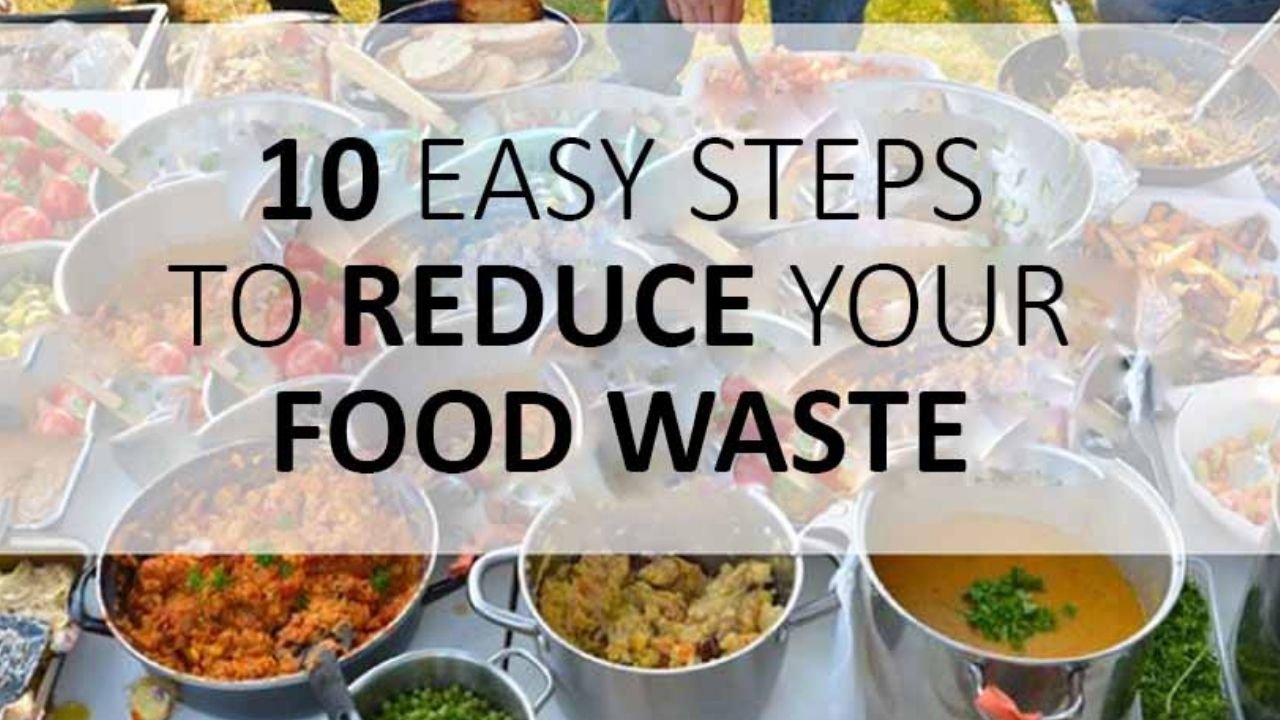
At The Success Prime, we believe small daily habits create big change. Reducing food waste saves money, protects resources and costs almost nothing to start, so here are 10 easy steps you can begin today.
Food waste in India is a major issue in every household. Affluent households consume at least three meals each day, with no limit on the number of snacks and fruits consumed daily. In times of crisis, such as the one we’re in with Coronavirus, we need to consider a variety of options for reducing contamination, waste disposal, and interaction with external garbage that is deposited on the streets and highways.
If you believe that food waste does not harm your family then you are wrong. Throwing away edible food is also throwing your hard-earned money down the sink. Food that is thrown out ends up in landfills, where it rots and emits methane, the second most important greenhouse gas. In other words, wasting food adds to global warming. There are numerous minor modifications you can make at home to reduce food waste.
Highlights: Ways to Reduce Food Waste
- Use Food waste App
- Ignore buying too much
- Experience farming at your home
- Store in Correct way
- Use FIFO method
- Ensure Food Labeling
- Sharing is caring
- Teaching Kids about Food Waste
- Pack leftovers
- Store onions and potatoes in the correct way
Top 10 Easy Tips to Reduce Food Waste
01 – Use Food waste App
Food-sharing apps are becoming more popular. People who have food to give are matched with people who want it. Assume you have leftovers from a dinner party or are on vacation and won’t be able to finish everything. Rather than wasting out the food, you may post it on an app like Olio and someone will come to pick it up. These apps not only help to minimize waste, but they also help to restore communities.
Food waste solutions – Food waste app list;
- ResQ
- Magic Fridge
- Karma
- Farmdrop
- Greenease
- Good Fish Guide
- ReFill
- Food for All
02 – Ignore buying too much
Buying less food is one of the simplest methods to avoid food waste as a customer. A fully loaded refrigerator may appear enticing, but if the household cannot consume all of the food, it may result in food waste. Rather than making one lengthier trip to the grocery shop each week, people may be able to avoid buying too much food and save waste by splitting their trips (visit 3 days a week).
03 – Experience farming at your home
It’s not as difficult as you would think to grow your herbs or vegetables. If you want to get a feel for it, start simply with basil or chilies. Numerous plants can be grown on a windowsill or in a tiny space. Tomatoes don’t require much space, and strawberries can even be grown in a small box. Growing and tending your food teaches you to appreciate the time and effort farmers put into getting crops to your table while also saving you money.
04 – Store in Correct way
Keeping the leaves, vegetables, and fruits in proper storage will help them last longer. To remove dirt and contamination from exterior environments, wash all vegetables and fruits. Green leafy vegetables and herbs should not be washed; only wash them at the time of cooking.
Wrap the cleaned and dried vegetables in cloth before placing them in plastic bags or zip-lock bags and sealing them tightly to prevent air pockets. It allows the vegetables to last longer. After removing dead leaves and roots, treat the leaves and herbs in the same way, and place them in airtight steel containers. It prolongs the life of the leaves by at least a week.
05 – Use the FIFO method
While having a well-stocked refrigerator can be beneficial, an overly loaded refrigerator can lead to food waste. By being able to see what’s inside and when it was purchased, you can avoid food spoilage. The FIFO method, which stands for “first in, first out,” is an excellent method for stocking your refrigerator. When you buy a fresh carton of berries, for example, place the newer item behind the old one. This prevents older food from being thrown away.
06 – Ensure Food Labeling
The terms “best before” and “use-by” are not interchangeable. Food can sometimes be consumed after the “best before” date, but the “use-by” date indicates when it is no longer safe to consume. You should check dangerous substances like trans fats and preservatives on food labels, and avoid items with added sugar or salt.
How long can you eat after best before?
- Eggs: Up to 1 month
- Milk: Up to 1 week (unopened)
- Meat: 4 days and 8 months in the freezer
- Nuts: up to 12 months in the fridge
- Sauces: within 6 months
- Seafood: 3 days
07 – Sharing is caring
Food sharing can also assist to alleviate the world hunger problem in general. Millions of people, particularly in poor developing countries, continue to struggle to feed themselves. Many of us throw away a lot of food throughout the year, and the majority of that food might have been used by others instead of being thrown away.
08 – Teaching Kids about Food Waste
According to a USDA study, homes with small children are more prone to waste food than other households. You might probably guess why if you’re a parent. Kids’ eyes are bigger than their stomachs; one week they adore milk, the next they don’t; families can help their children waste less food by preparing grocery lists and using up leftovers. You can also start teaching your kids about food waste so they can understand better.
09 – Pack leftovers
While going out to lunch with coworkers or ordering a meal from your favourite restaurant might be fun, it can also be expensive and wasteful. Bringing your leftovers with you is a great way to save money while also lowering your carbon footprint. If you frequently have leftovers from home-cooked dinners, pack them for a filling and healthful workplace lunch.
10 – Store onions and potatoes in the correct way
While it may be more practical to store potatoes and onions together because they both prefer cool, dark environments, doing so will lead them to sprout more quickly. Keep your potatoes in the pantry and your onions in a different location.