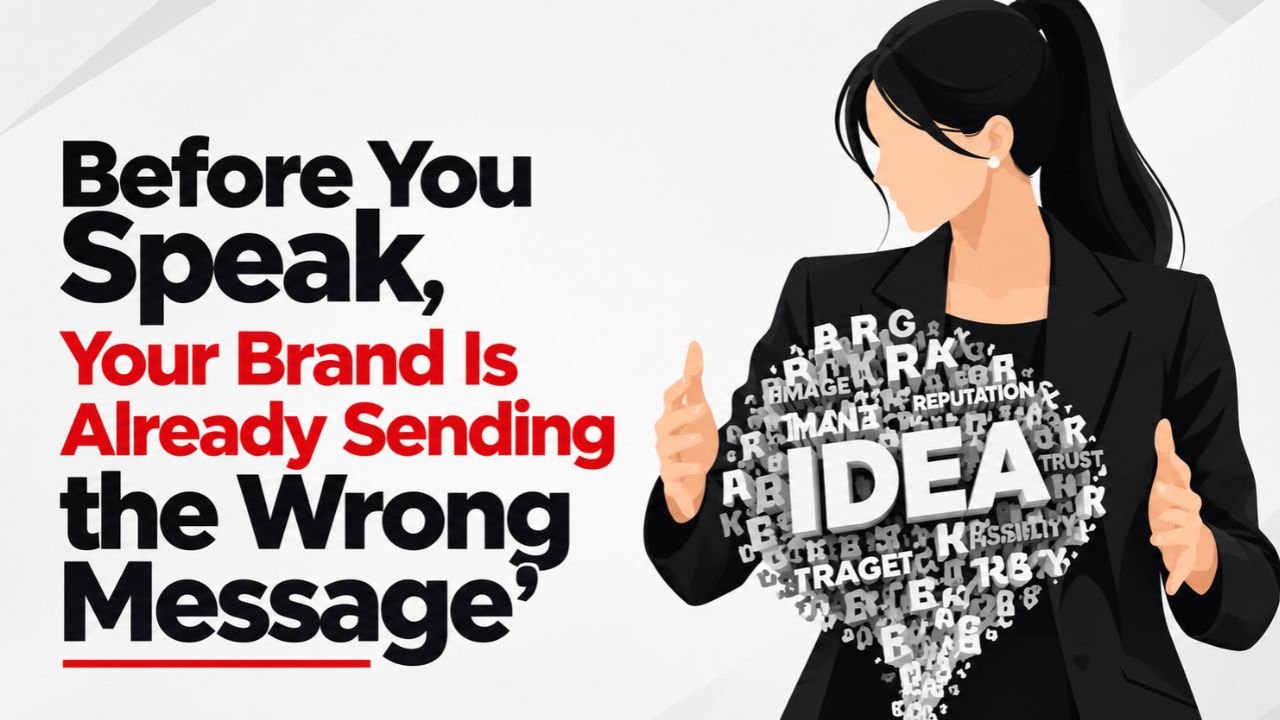
A customer decides your business’s worth before they have experienced what you actually sell. They see your site, logo, photos, maybe a Google result or a LinkedIn page, and they form an impression. They will not intentionally notice a weak element or wrong spacing; they will just feel that something is not good enough.
This is the real issue with a cheap-looking brand: customers pick up on the signal before they understand the reason. Cheap does not directly mean designs are bad. A company can invest a huge amount of money in branding but still look low-value, while a business with a small budget can look credible. This difference comes down to alignment. The visuals, words, position and experience should narrate the same story.
The Hidden Signs That Make Your Brand Look Less Premium
A brand can seem playful, informal or budget-friendly and still look professional. But an expensive brand logo and design spend cannot save a brand with weak presentation supporting its promise. Here are some examples of brands:
- Inconsistency: A brand having a website, Instagram and portfolio with feeling like different companies. You are not creating a system but scattering assets.
- Cluttering Visuals: Many brands follow this approach: more colours, more badges and more special offers will bring more leads. But so many things compete for attention, and nothing wins. The increased white space is perceived as luxury; it gives important things room to become more visible.
- No Uniqueness: With AI, it has become easy to make anything polished; hence, polish has stopped being unique. This is a new kind of cheapness. As per the 2025 Clutch survey, 97% of respondents said authenticity shapes their brand decisions, and 70% said they will pay more for brands they saw as authentic.
- Being Superlatives: Saying we are the world’s No. 1 is loud; confidence does not need to shout. To ensure success, specificity builds more trust than being superlative ever will.
- No Distinctive Thought: A brand with a beautiful website and logo can be forgotten if it does not hold any distinctiveness. Aesthetics can be easily copied; a genuine point is not that easy.
How Brand Perception Influences Customer Value
People do not get full information when they see a brand; they lean on signals and visual identity. As published in research in the Journal of Brand Management, there is a connection between consistent visual identity and perceived value, recognition and loyalty. While trust is also significant, people often use AI tools to research brands or compare different products, apart from using them for shopping. Your brand presently has two audiences: the person deciding to trust you and the AI system helping them decide.
The AI Trap: When Technology Weakens Brand Identity
While AI has streamlined multiple tasks for small businesses and professionals. It lets product content be created at a speed that once needed a full creative team. It is a real advantage, but AI scales your brand’s strengths and its commonness equally. As per the 2025 study, 37% of respondents perceived AI-generated brand messages as authentic, though authenticity strongly predicted trust. Use AI to research, draft and boost the product, but do not let it decide what your brand believes.
You can take help from AI tools for research, take your homepage, socials, latest ad, and a recent proposal, and then ask, ‘Does everything look like the same brand, or does the presentation match the price?’ Can a competitor use the same kind of brand? If you knew nothing about the brand, what would you assume it was worth? That gap you get there is your answer.
Final Takeaway: Building a Brand That Looks Premium
The brand does not look cheap because you have not spent enough, but it makes it look cheap when the signals around your business do not support the value you want people to believe. The strongest brands are not the most expensive-looking; they are specific, intentional and believable.
Frequently Asked Questions (FAQs)
1. Why does a brand look cheap even when it invests heavily in design?
A brand can look cheap when its visuals, messaging, website, and customer experience lack consistency. Premium branding depends on alignment, authenticity, and a clear identity rather than just expensive design.
2. What makes a brand look less premium to customers?
Common factors include inconsistent branding, cluttered visuals, excessive promotional badges, generic messaging, exaggerated claims, and a lack of distinctive identity. These signals can reduce customer trust and perceived value.
3. How does brand perception affect customer buying decisions?
Customers often form an impression of a business before experiencing its products or services. A professional and consistent brand presentation can strengthen credibility, increase perceived value, and influence purchasing decisions.
4. How can businesses make their brands look more premium?
Businesses can improve their brand perception by maintaining consistent visual identity, using clean layouts, communicating specific benefits, avoiding exaggerated claims, and creating a distinctive brand voice.
5. Why is consistency important in branding?
Consistency across websites, social media, advertisements, and business proposals helps customers recognise a brand and develop trust. When every platform communicates the same identity, the business appears more professional and reliable.
6. Can a small business build a premium brand on a limited budget?
Yes. A small business can create a premium impression by using consistent colours and typography, high-quality images, clear messaging, uncluttered layouts, and a strong brand identity. Strategic presentation matters more than spending excessively.
7. How can AI negatively affect brand identity?
Overreliance on AI-generated content can make a brand sound generic and similar to competitors. Businesses should use AI for research, drafting, and productivity while retaining their own voice, values, original ideas, and human judgement.
8. How can businesses use AI without losing authenticity?
Businesses should use AI to support research and content creation rather than define their entire brand identity. Reviewing AI-generated material for originality, accuracy, tone, and alignment with brand values helps maintain authenticity.
9. What is the relationship between brand identity and perceived value?
Brand identity shapes how customers interpret a business’s quality, credibility, and uniqueness. A distinctive and consistent identity can help customers understand the value of a product or service and differentiate it from competing offers.
10. How can a business identify weaknesses in its brand presentation?
Review your website, social media profiles, advertisements, and proposals together. Check whether they communicate a consistent identity, match your pricing, and clearly explain what makes your business different. Ask potential customers what impression they form before learning about your products.
11. Why is authenticity important for building a premium brand?
Authenticity helps businesses establish credibility by communicating genuine values, providing believable claims, and delivering experiences that match their promises. It makes a brand more distinctive and helps build lasting customer relationships.
12. What is the biggest mistake businesses make when trying to look premium?
One major mistake is focusing on expensive visuals while neglecting consistency, differentiation, and meaningful messaging. A premium brand is not simply attractive; it communicates a clear promise and consistently delivers value.
Read Also:
From Clicks to Customers: Why Digital-First Brands Are Embracing Physical Stores
How to Start a Business With Little Money: 10 Smart Ideas