Understanding Lifestyle Brands
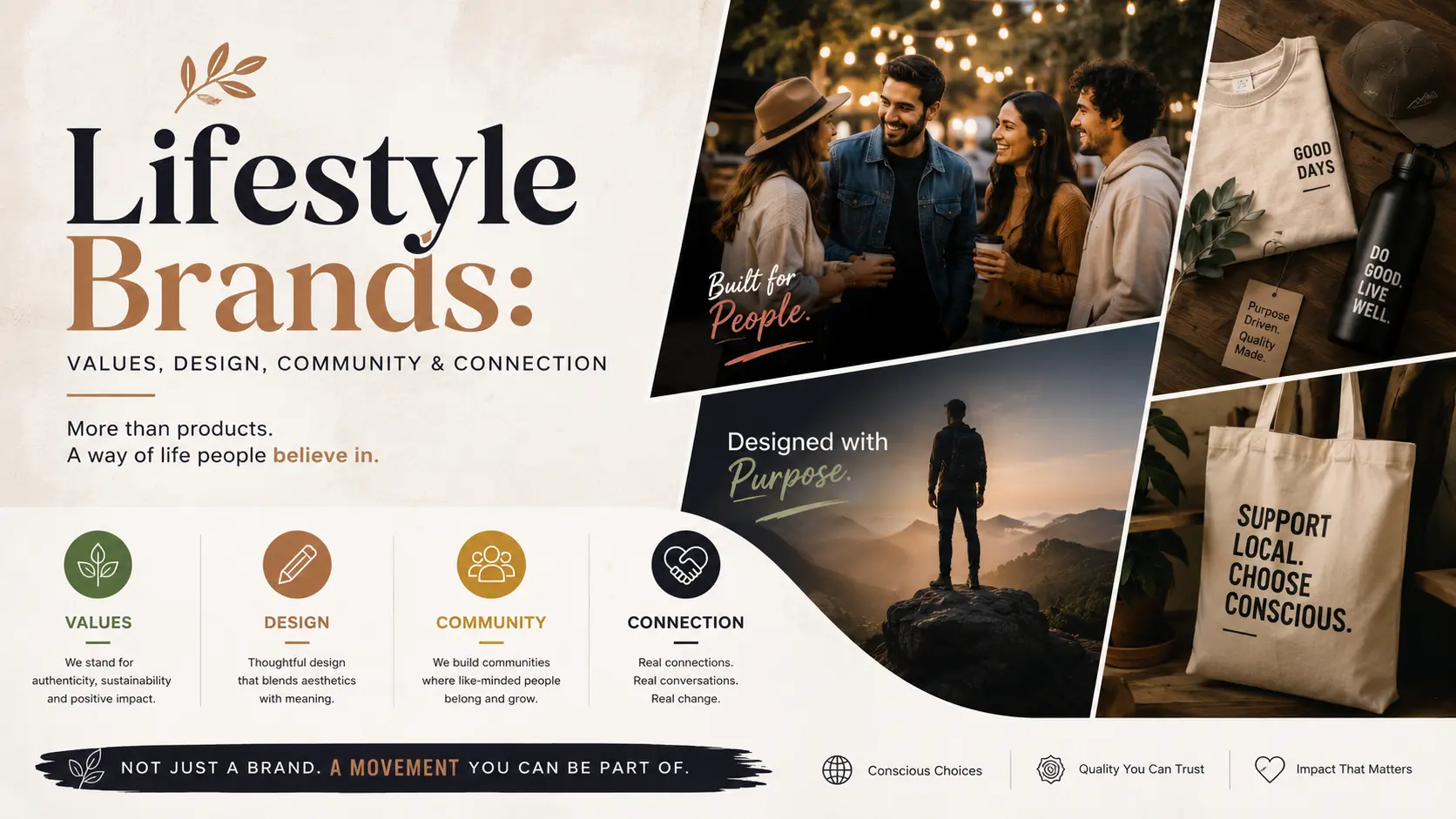
Lifestyle brands often resonate deeply with consumers because they represent more than just a product or service; they embody a specific way of life, set of values, or aesthetic. Their appeal lies in their ability to connect with individuals on an emotional level, often promising a sense of belonging, aspiration, or self-expression. Exploring these brands can help you define your own personal style or find products that align with your ethical or social beliefs.
Exploring Sustainable Options
Many lifestyle brands today focus on sustainability and ethical practices, offering consumers products that are both stylish and environmentally conscious. Companies like Patagonia, for example, have built a strong brand identity around their commitment to environmental activism and durable, responsibly sourced outdoor gear. Discovering brands with strong sustainability credentials can be a key part of choosing products that reflect your values.
The Role of Aesthetics and Design
Aesthetics play a crucial role in the appeal of many lifestyle brands, often dictating the design language of their products, packaging, and marketing materials. Brands like Apple, known for their minimalist design and seamless user experience, have cultivated a lifestyle around technology and innovation. Their aesthetic choices communicate a specific image of sophistication and progress that attracts a dedicated consumer base.
Community and Connection
Lifestyle brands frequently foster a sense of community among their customers, creating spaces for shared interests and experiences. This could be through online forums, social media groups, or physical events. Brands like Lululemon, initially focused on yoga wear, have built a community around wellness and athletic pursuits, engaging customers beyond just selling apparel.
Moving Towards a Purchase
To move forward with a purchase aligned with a lifestyle brand, consider visiting their official website, reading customer reviews, and exploring their social media presence. Many brands also have physical retail locations or pop-up shops where you can experience their products firsthand. Evaluating how well a brand’s ethos aligns with your personal values and needs is a critical step before making a commitment.
| Rank | Lifestyle Brand | What Makes It Stand Out | Core Identity | Known For |
|---|---|---|---|---|
| 1 | Apple | Minimalist design + innovation | Technology & Creativity | iPhone, Mac, Ecosystem |
| 2 | Nike | Powerful storytelling + culture | Sports & Performance | Footwear, Apparel |
| 3 | Patagonia | Strong environmental values | Sustainability & Adventure | Outdoor Clothing |
| 4 | Lululemon | Community-driven wellness | Fitness & Wellness | Yoga & Activewear |
| 5 | Adidas | Sports + street culture | Sport & Lifestyle | Sneakers, Apparel |
| 6 | IKEA | Affordable design + lifestyle | Home & Simplicity | Furniture & Home Products |
| 7 | LEGO | Creativity + emotional connection | Play & Imagination | Building Sets |
| 8 | Starbucks | Experience beyond the product | Coffee & Community | Cafés & Coffee |
| 9 | Tesla | Innovation + futuristic identity | Technology & Sustainability | Electric Vehicles |
| 10 | Coca-Cola | Emotion + universal brand identity | Happiness & Connection | Beverages |
| 11 | GoPro | Adventure-focused storytelling | Exploration & Action | Action Cameras |
| 12 | Red Bull | Extreme lifestyle marketing | Adventure & Energy | Energy Drinks & Events |
| 13 | The North Face | Adventure + outdoor culture | Exploration | Outdoor Gear |
| 14 | Vans | Strong youth and subculture identity | Skate & Street Culture | Shoes & Apparel |
| 15 | Ralph Lauren | Aspirational lifestyle positioning | Luxury & Classic Style | Fashion & Accessories |
Key Factors That Make Lifestyle Brands Stand Out
| Factor | Why It Matters |
|---|---|
| Strong Identity | Gives customers something they can identify with |
| Emotional Connection | Builds loyalty beyond the product |
| Distinctive Design | Makes the brand instantly recognizable |
| Community | Turns customers into an engaged audience |
| Consistent Storytelling | Creates a clear and memorable brand image |
| Values & Purpose | Helps customers connect with the brand’s beliefs |
| Customer Experience | Makes every interaction feel part of the lifestyle |
Frequently Asked Questions
What is a lifestyle brand?
A lifestyle brand represents more than just a product or service. It reflects a particular way of life, values, personality, or aesthetic that customers can connect with emotionally.
Why are lifestyle brands so popular?
Lifestyle brands create an emotional connection with their audience. They can give customers a sense of belonging, aspiration, and self-expression beyond the product itself.
Are lifestyle brands sustainable?
Many lifestyle brands are now focusing on sustainability and ethical practices. Customers can look for brands that use responsible materials, ethical production methods, and environmentally conscious practices.
How important is design for a lifestyle brand?
Design plays a major role in shaping a brand’s identity. Products, packaging, websites, and marketing materials work together to communicate the brand’s personality and values.
Do lifestyle brands build communities?
Yes. Many lifestyle brands build communities around shared interests, values, and experiences through social media, online groups, events, and physical spaces.
How do I choose the right lifestyle brand?
Consider whether the brand’s values, design, quality, sustainability practices, and overall identity align with your personal preferences and needs. Reading reviews and exploring the brand’s official channels can also help you make an informed decision.